
Arte Sacra Museum Cafe

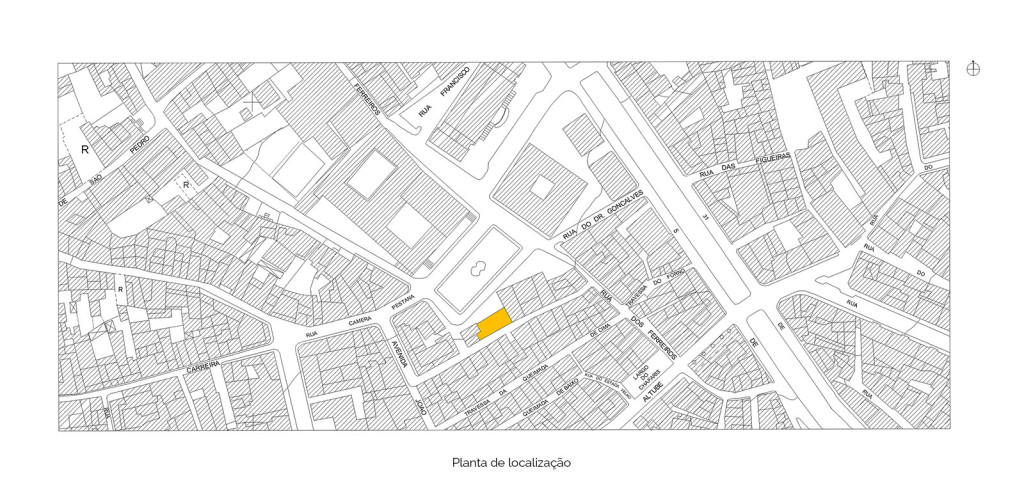
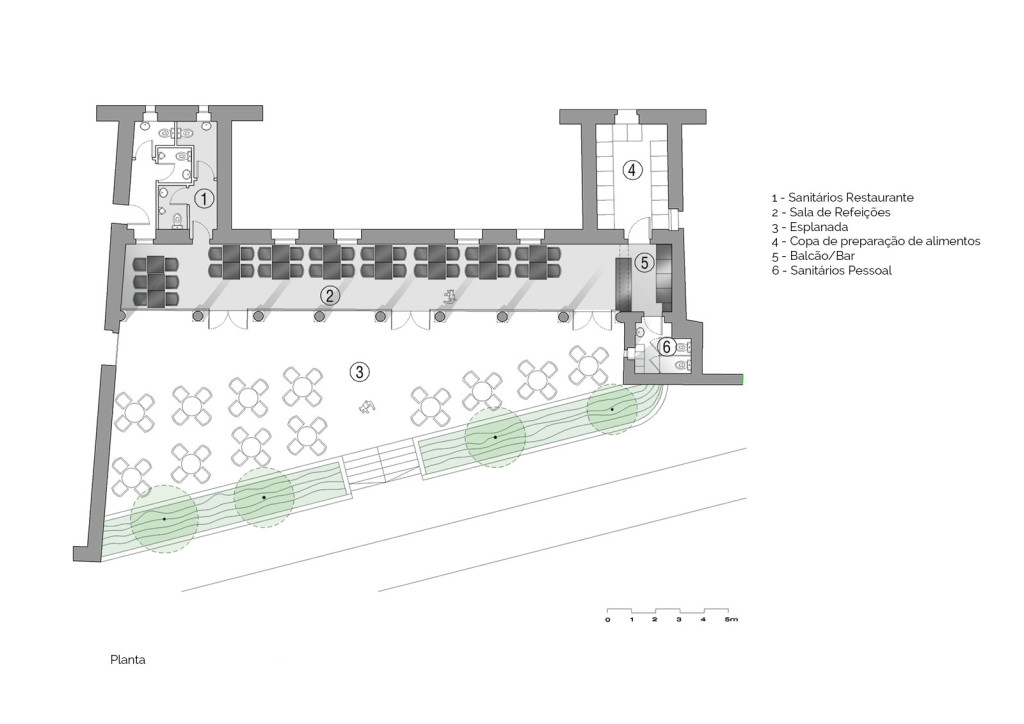
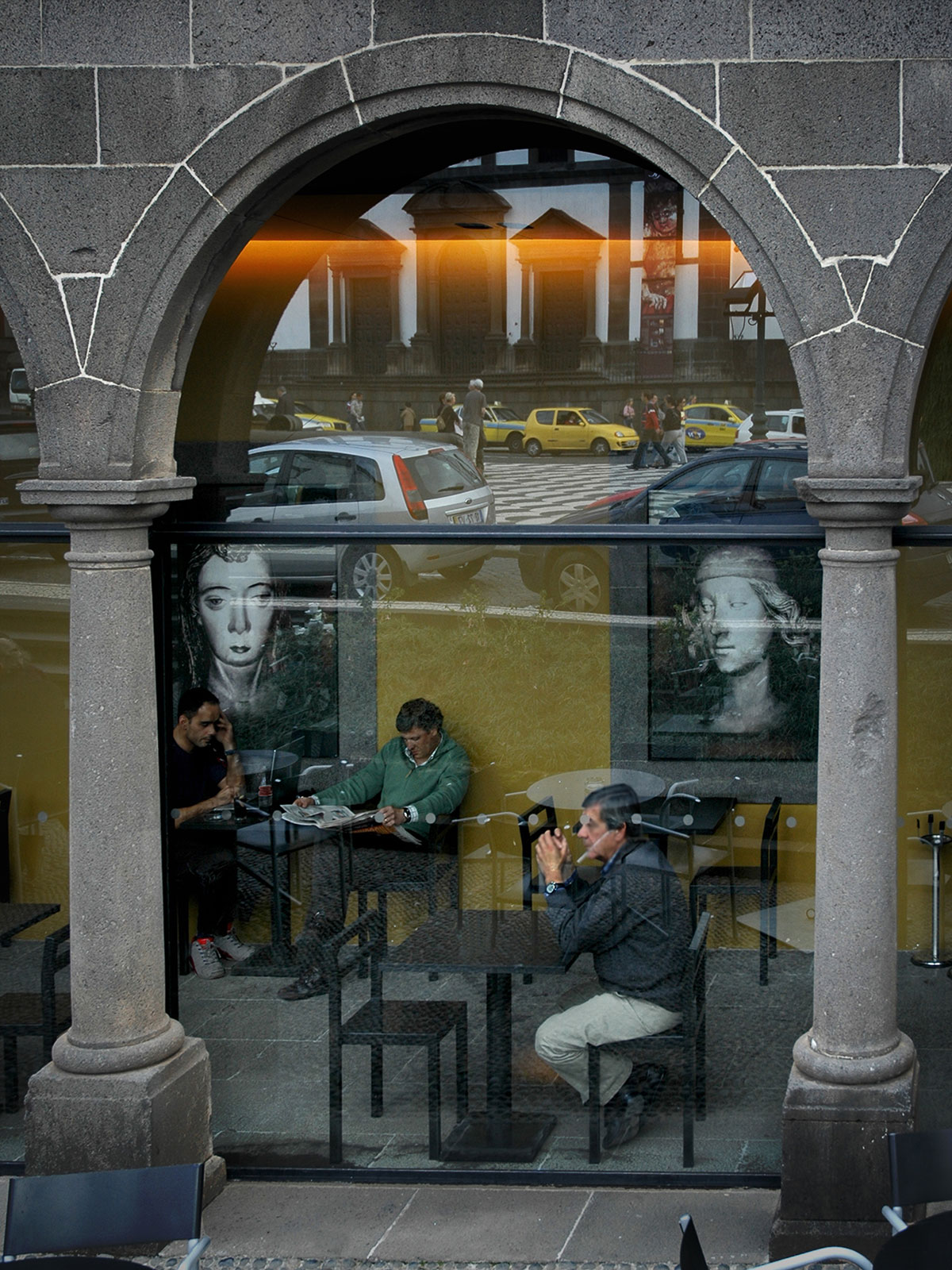
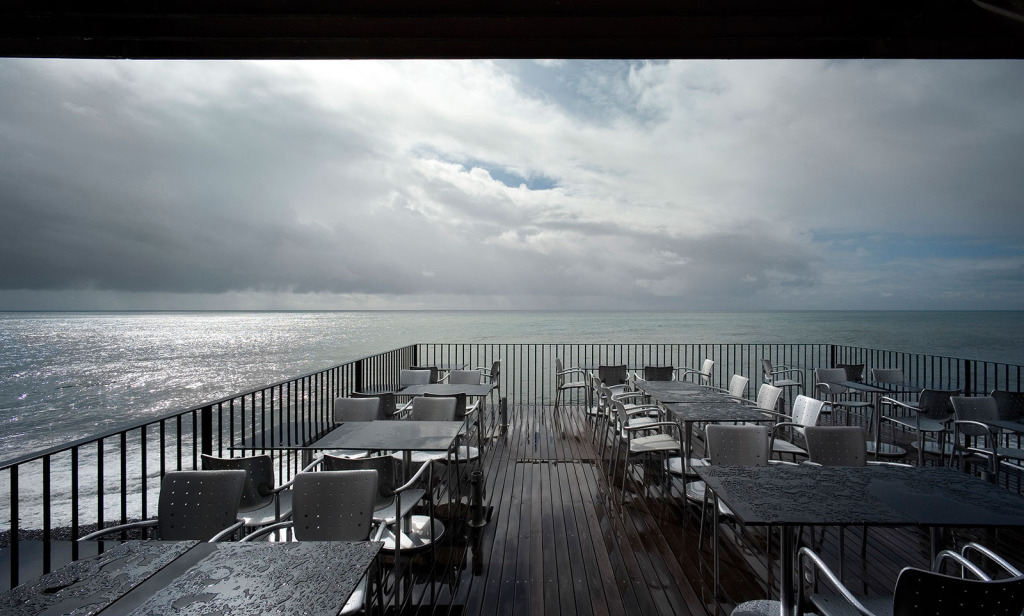
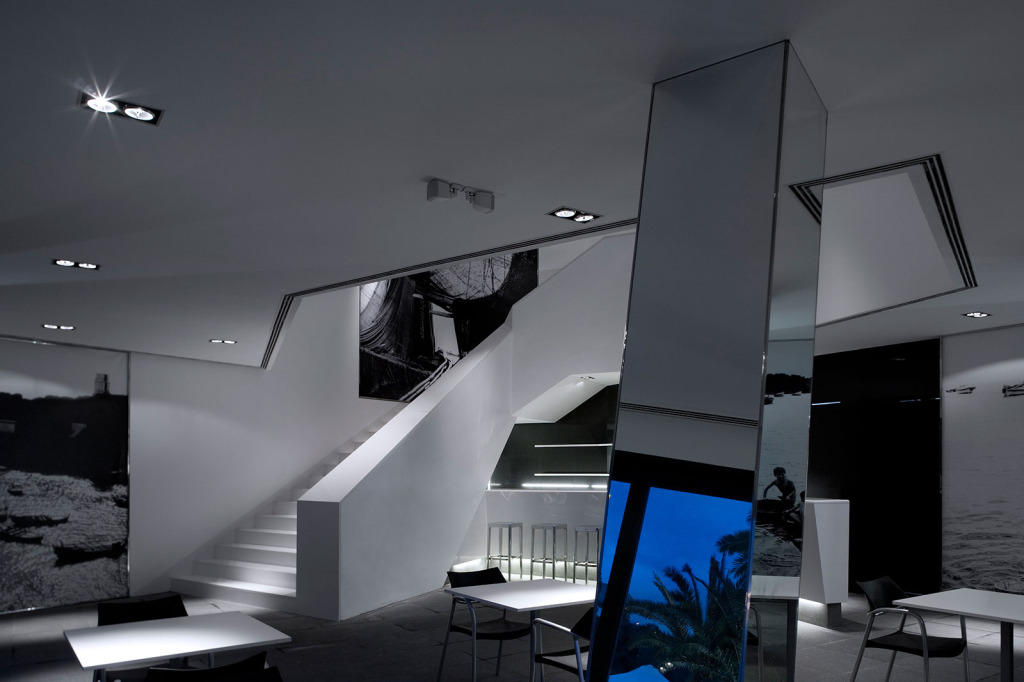
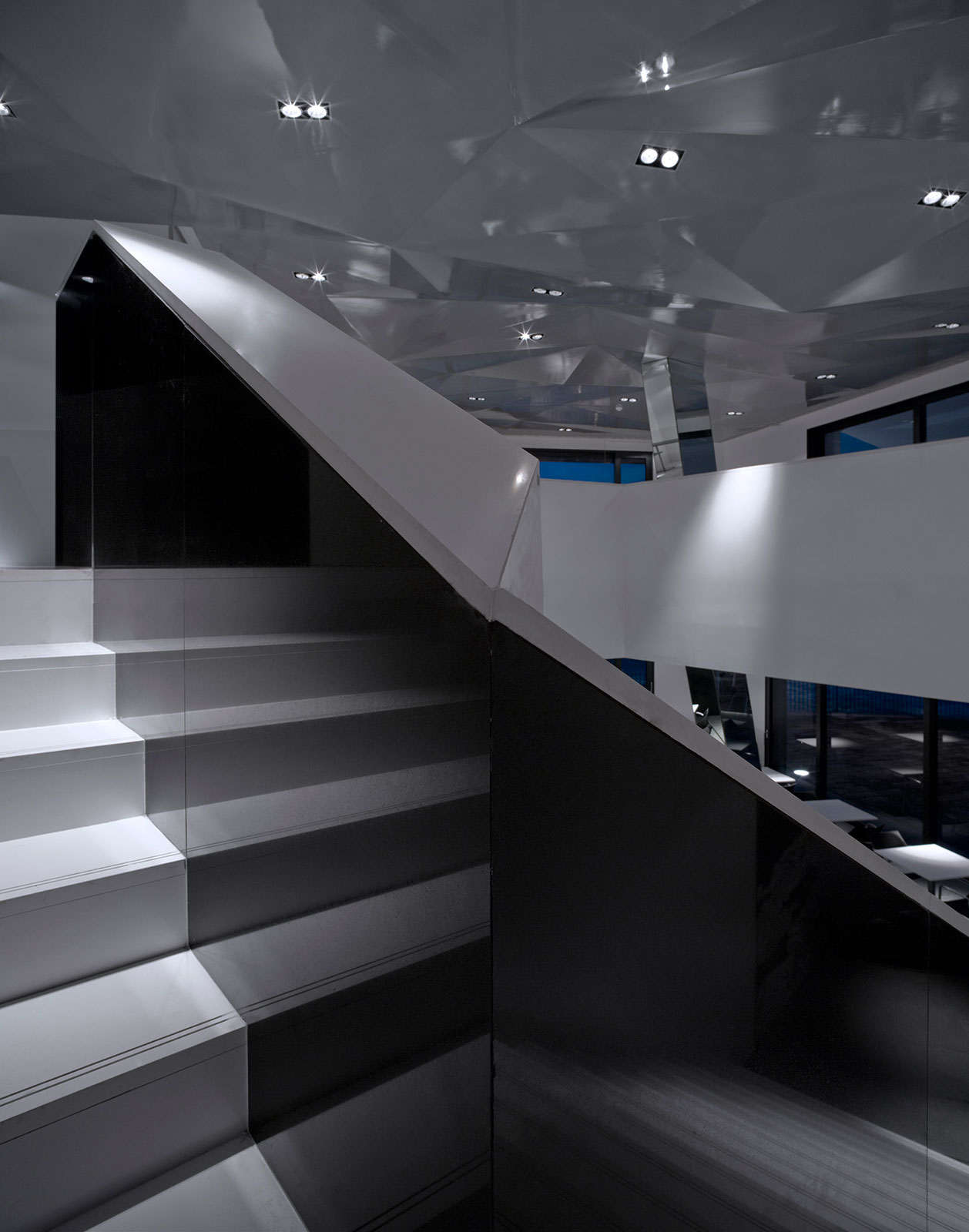
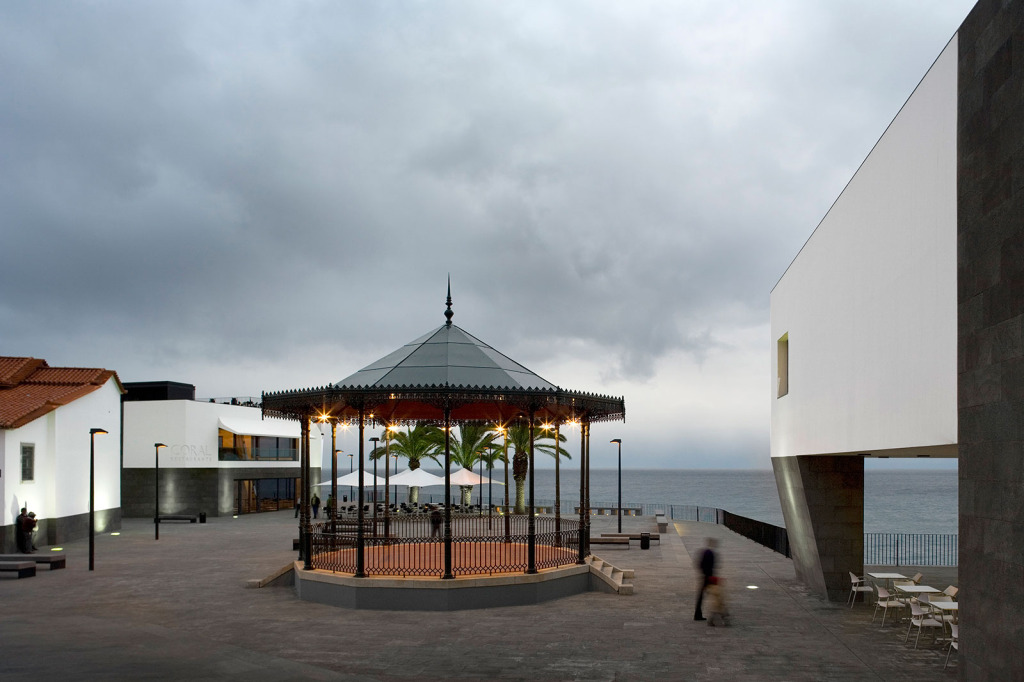
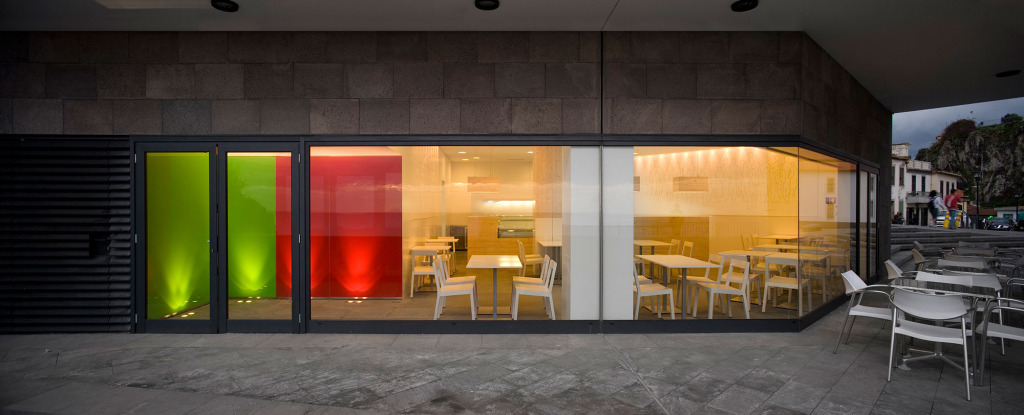
The Museum Café is located inside the renaissance style arcade of the north facade of the 17th c. building, which now houses the Museum of Sacred Art of Funchal, in the city historic centre. The black basalt lava stone arcade overlooks a small courtyard garden facing to the town hall square.
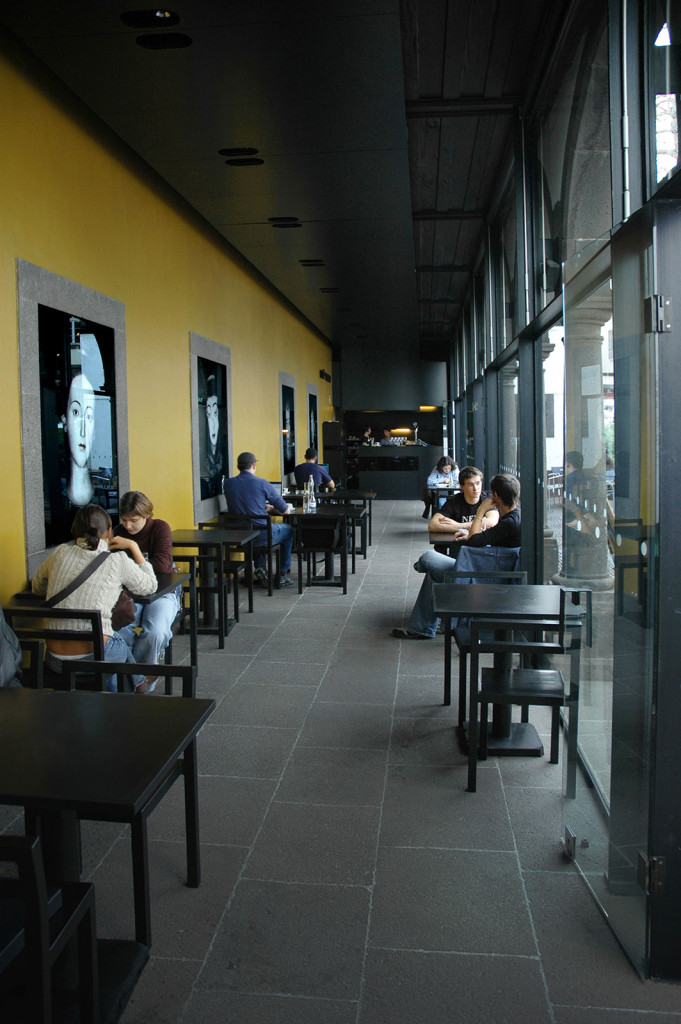
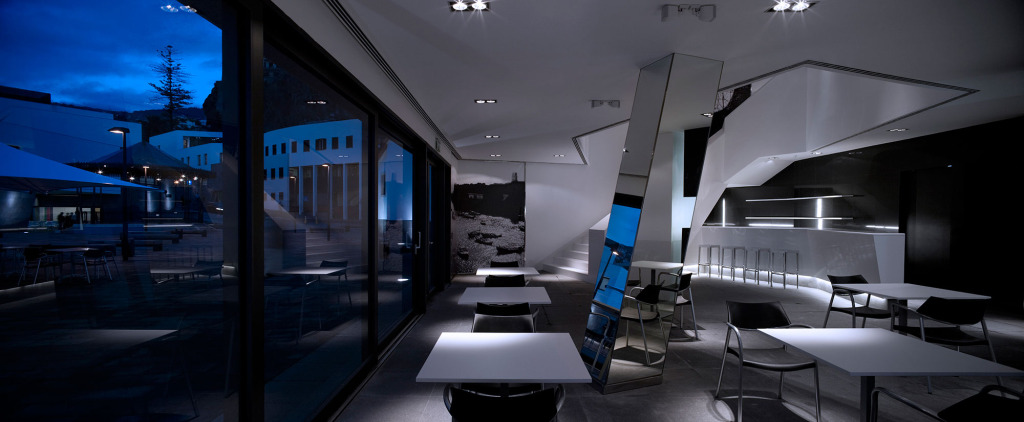
The area between the arches and the building was enclosed with a glass wall placed behind the columns and this is where you find the main lounge of the café. The terrace occupies the garden courtyard and the service areas are installed in the adjacent compartments of the building.

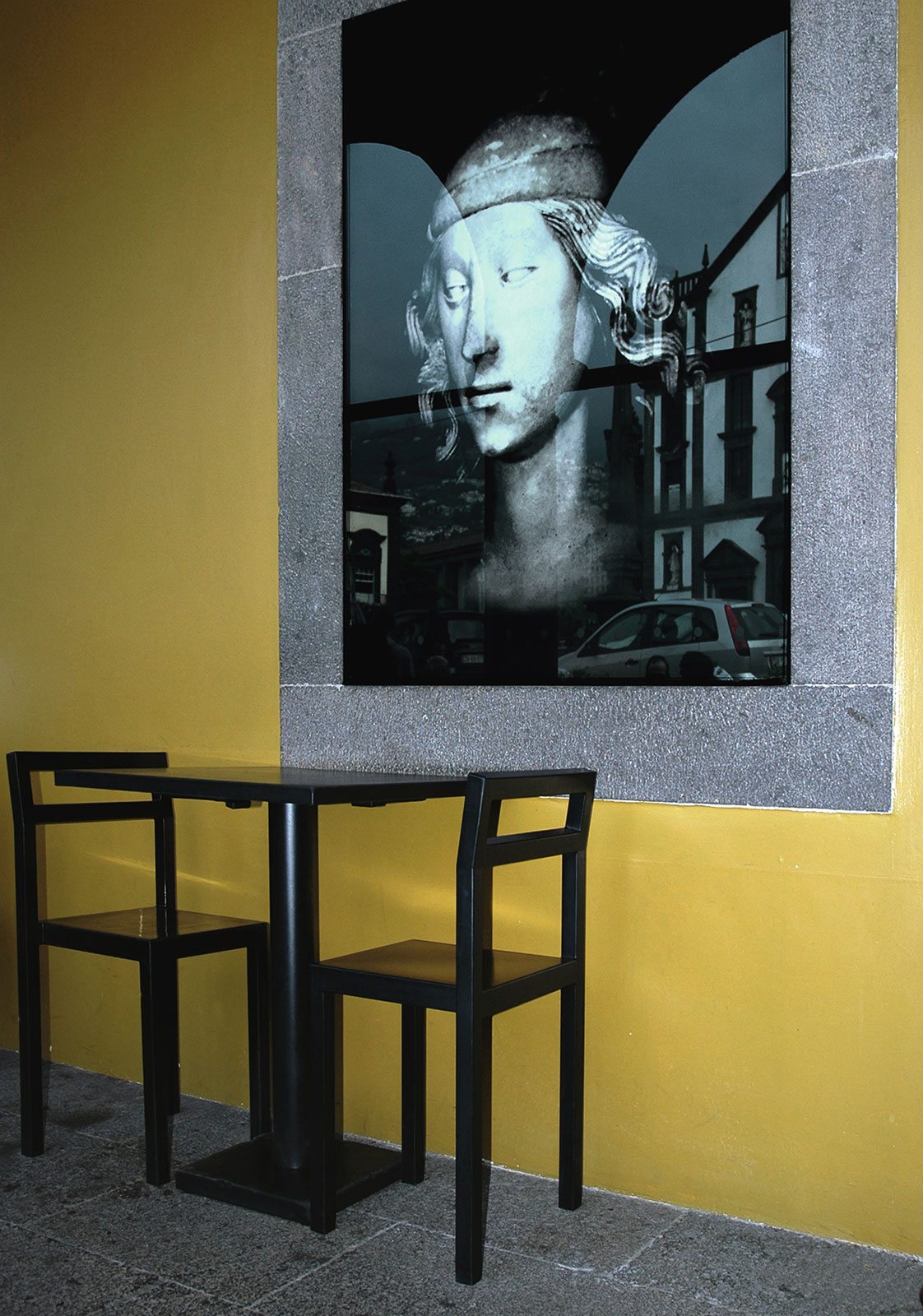
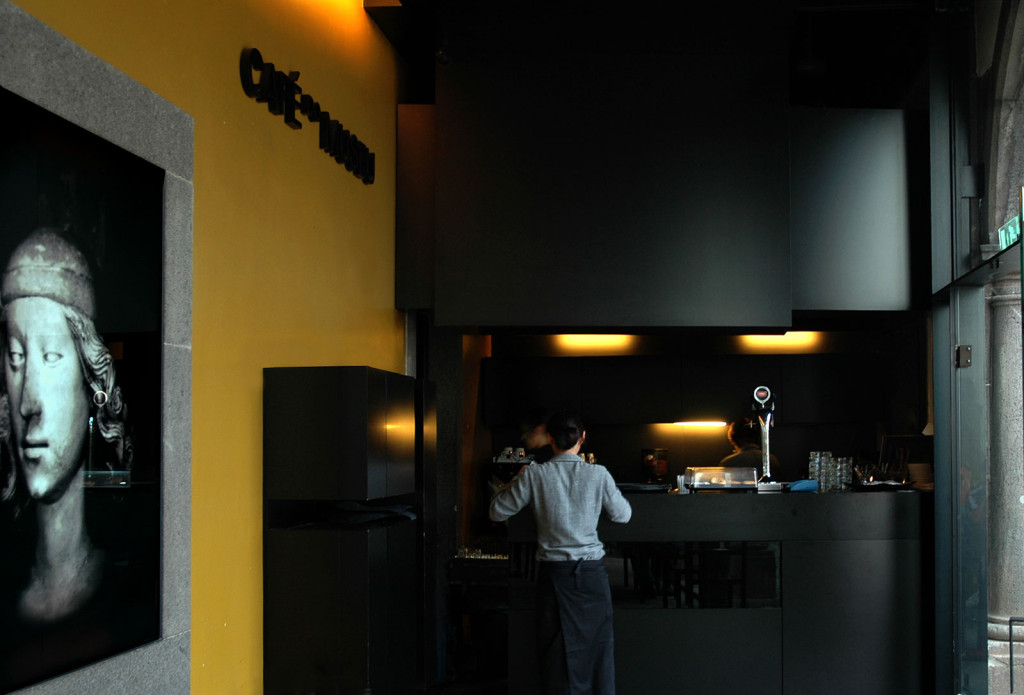
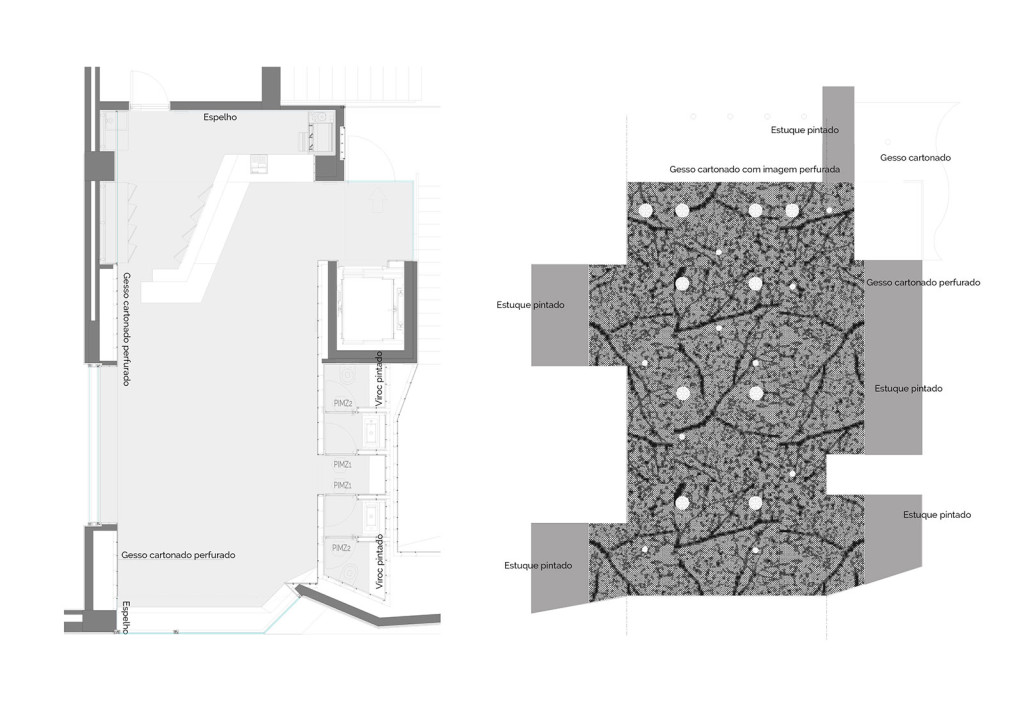
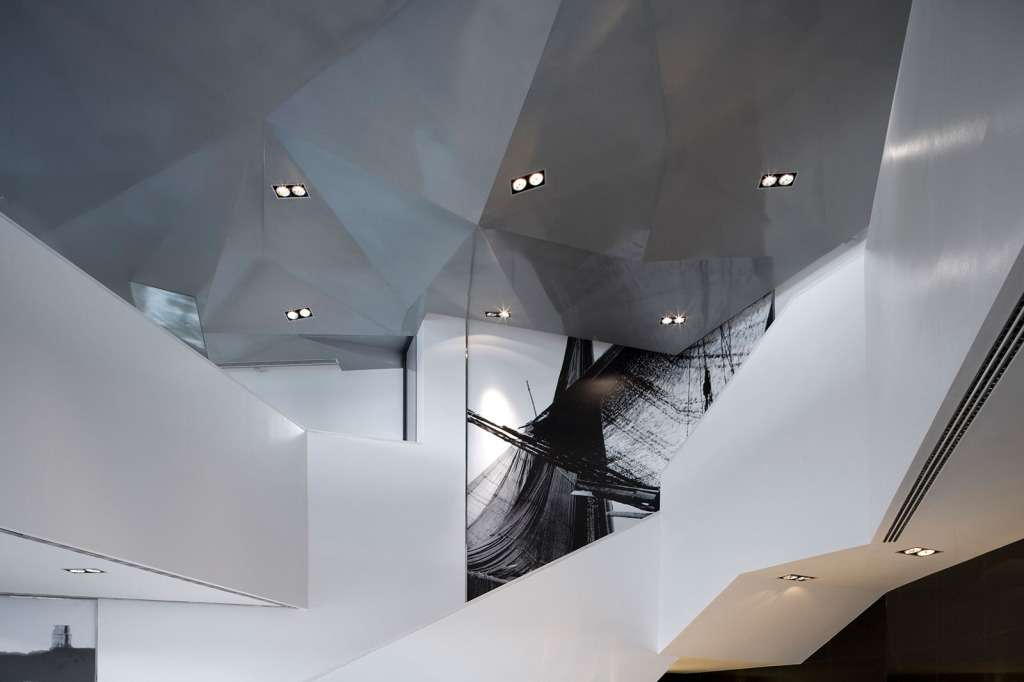
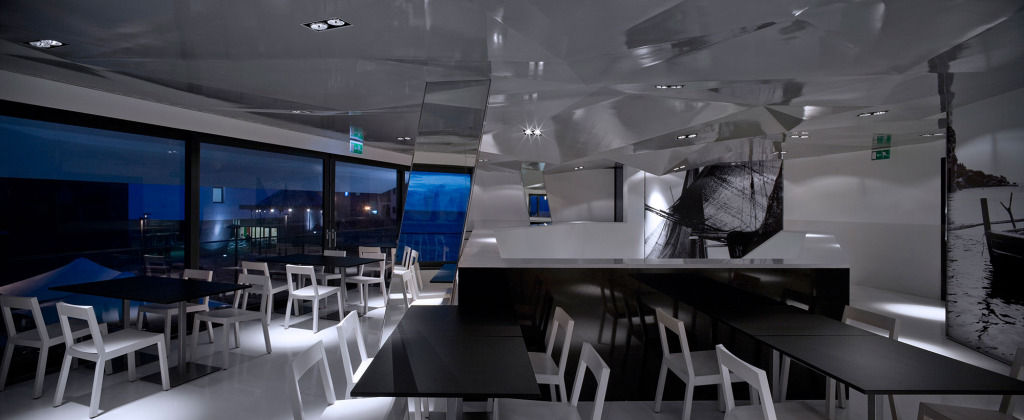
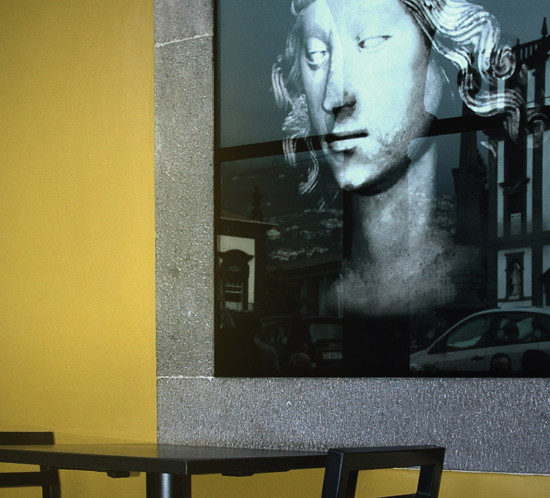
On the main wall inside the coffee shop there are four former windows turned into showcases, exhibiting images taken from the museum art pieces. The backlit printed images are portraits of sculpted figures, displayed as advertising posters.
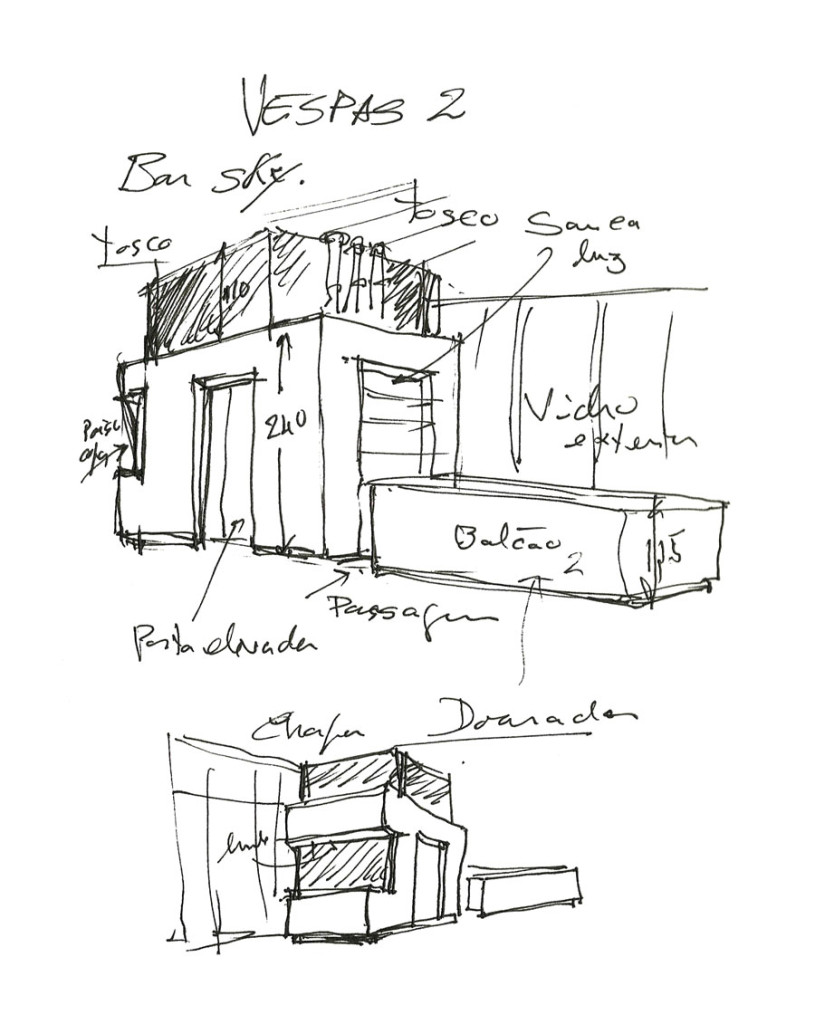
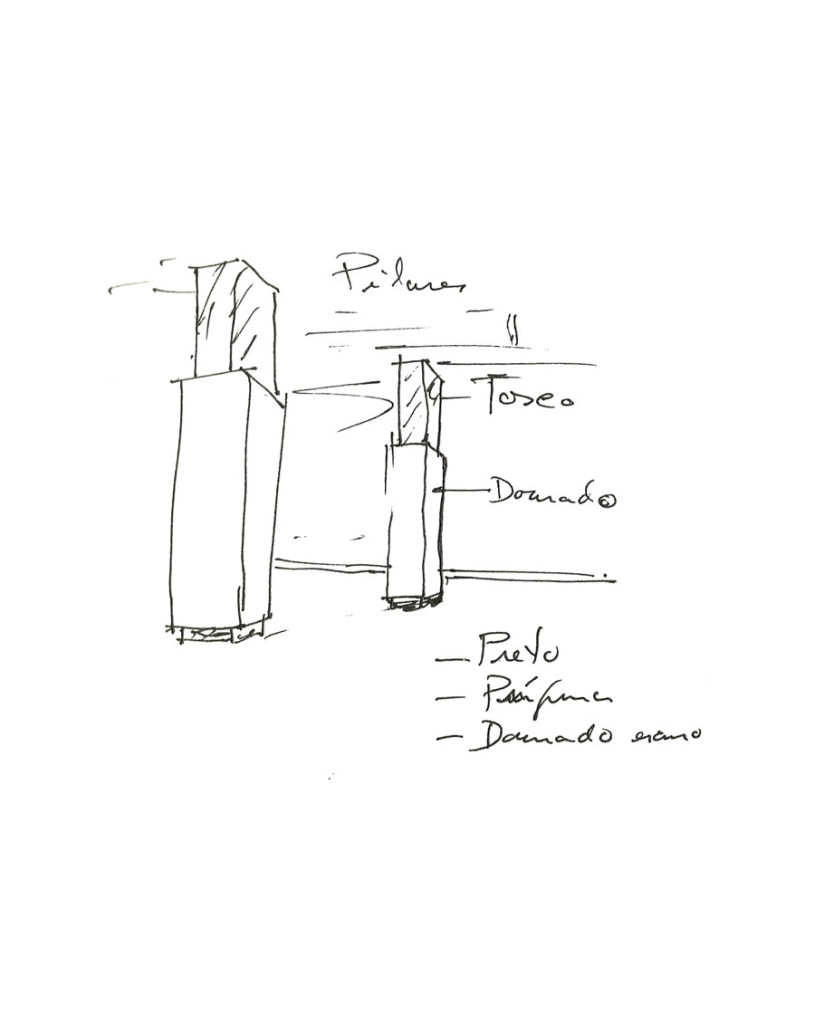
The balcony, ceiling, window frames and all the furniture are black, contrasting with the room’s yellow painted background wall.
This project received the Funchal heritage award in 2003.

status – built
location – Funchal  Madeira  Portugal
year – 2002
architects – Duarte Caldeira, Filipe Araújo
photography – Júlio Castro  
 

The building on the hillside

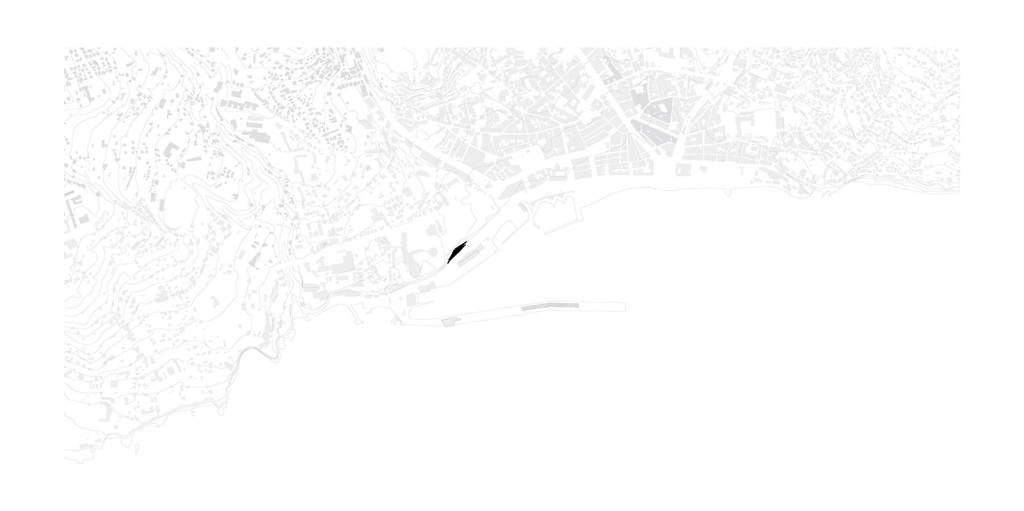
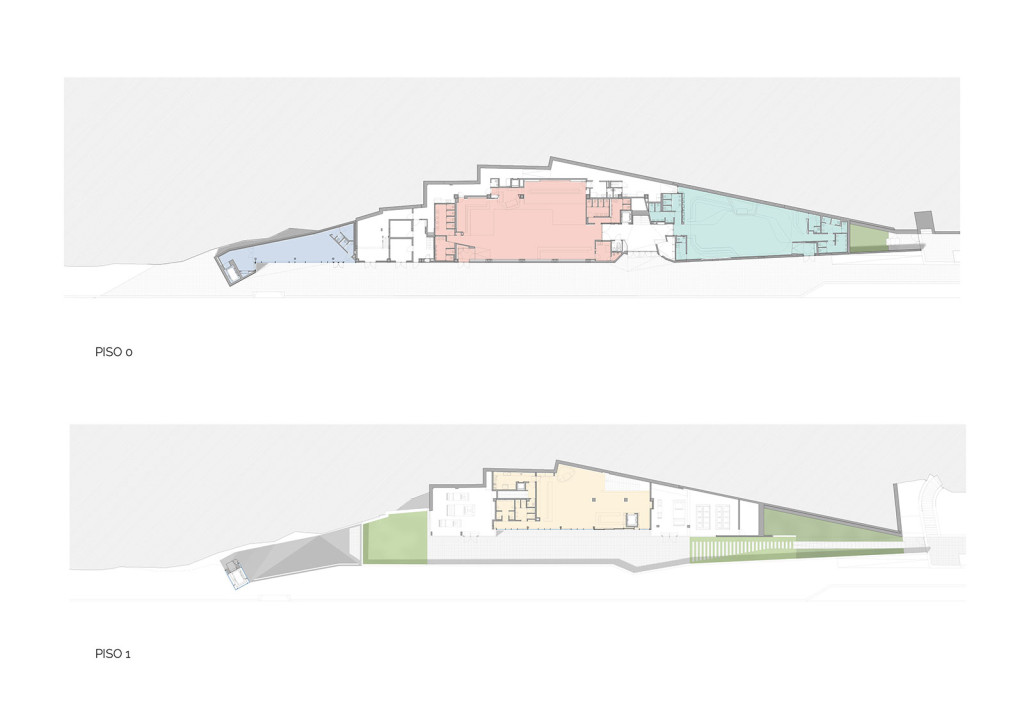
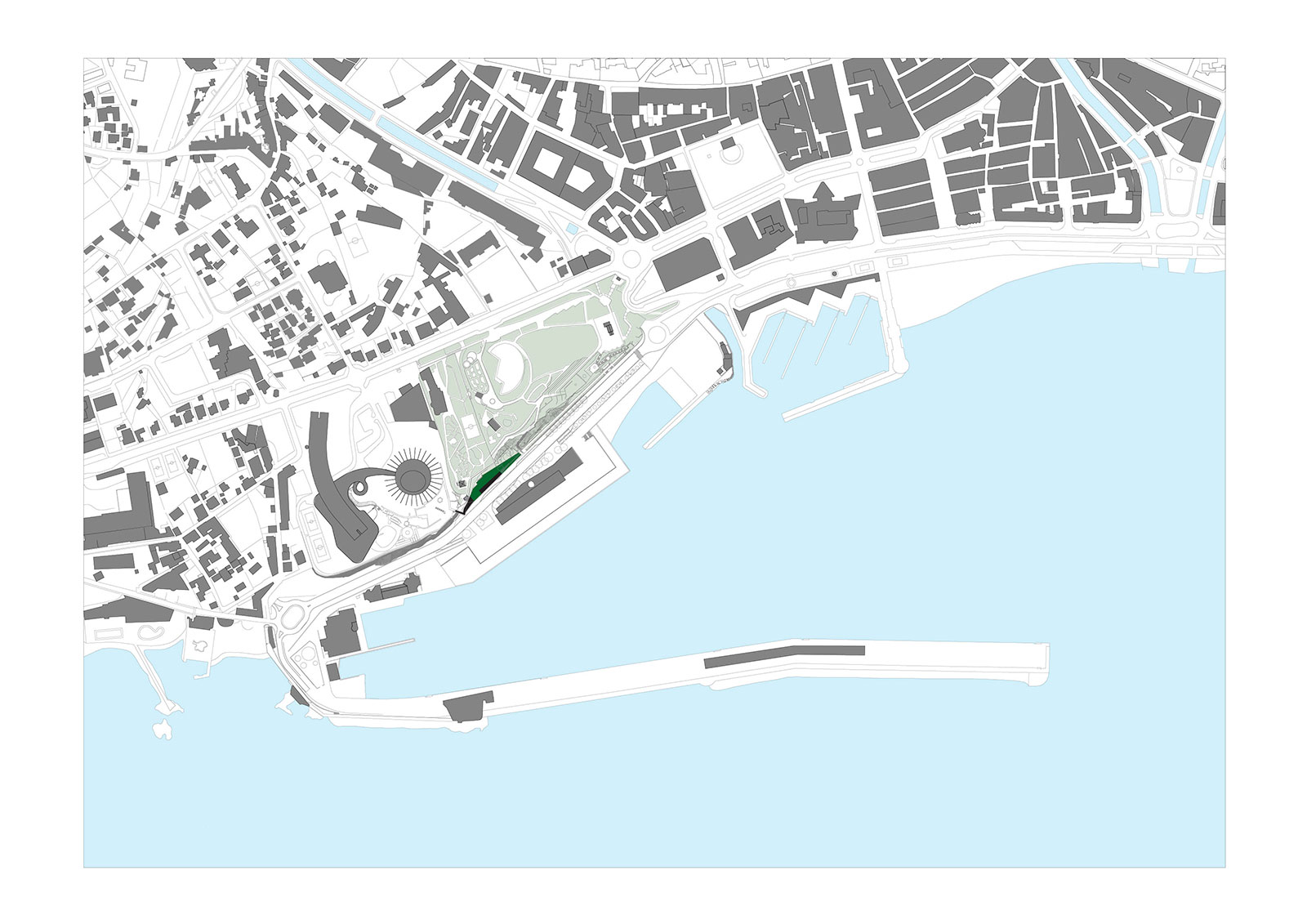
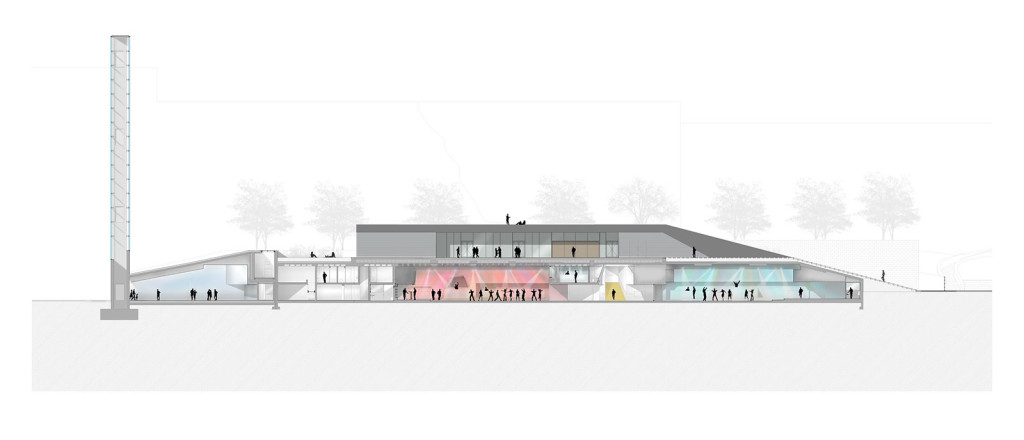
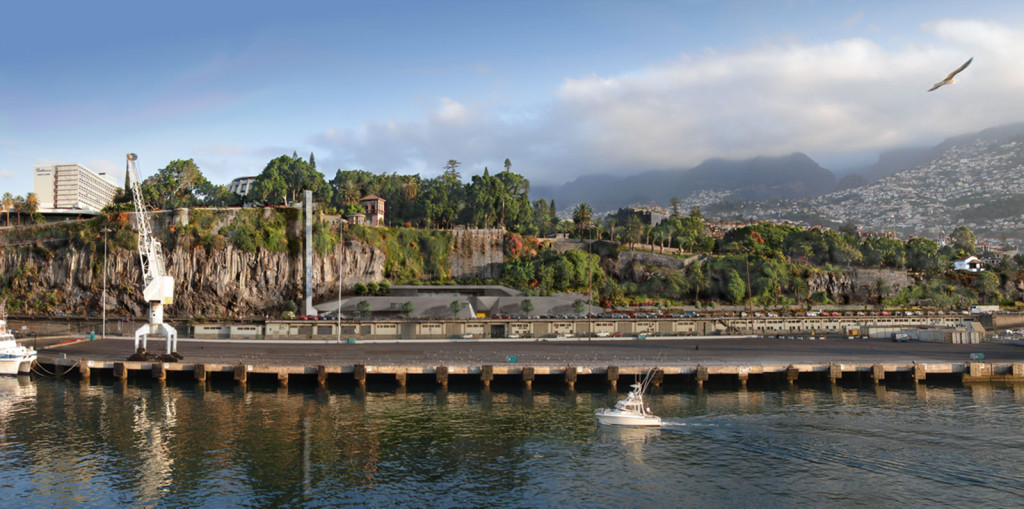
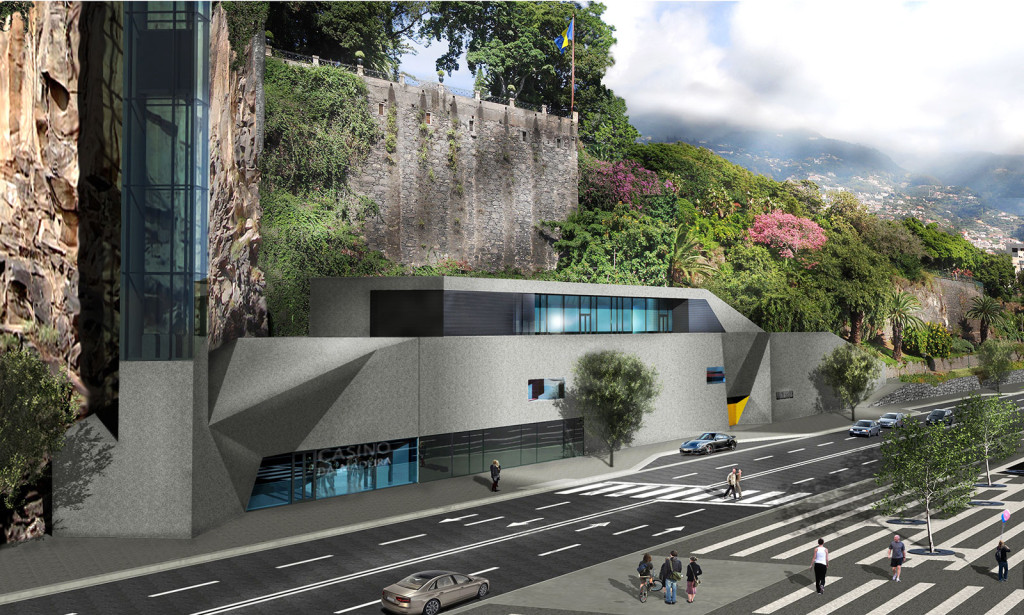
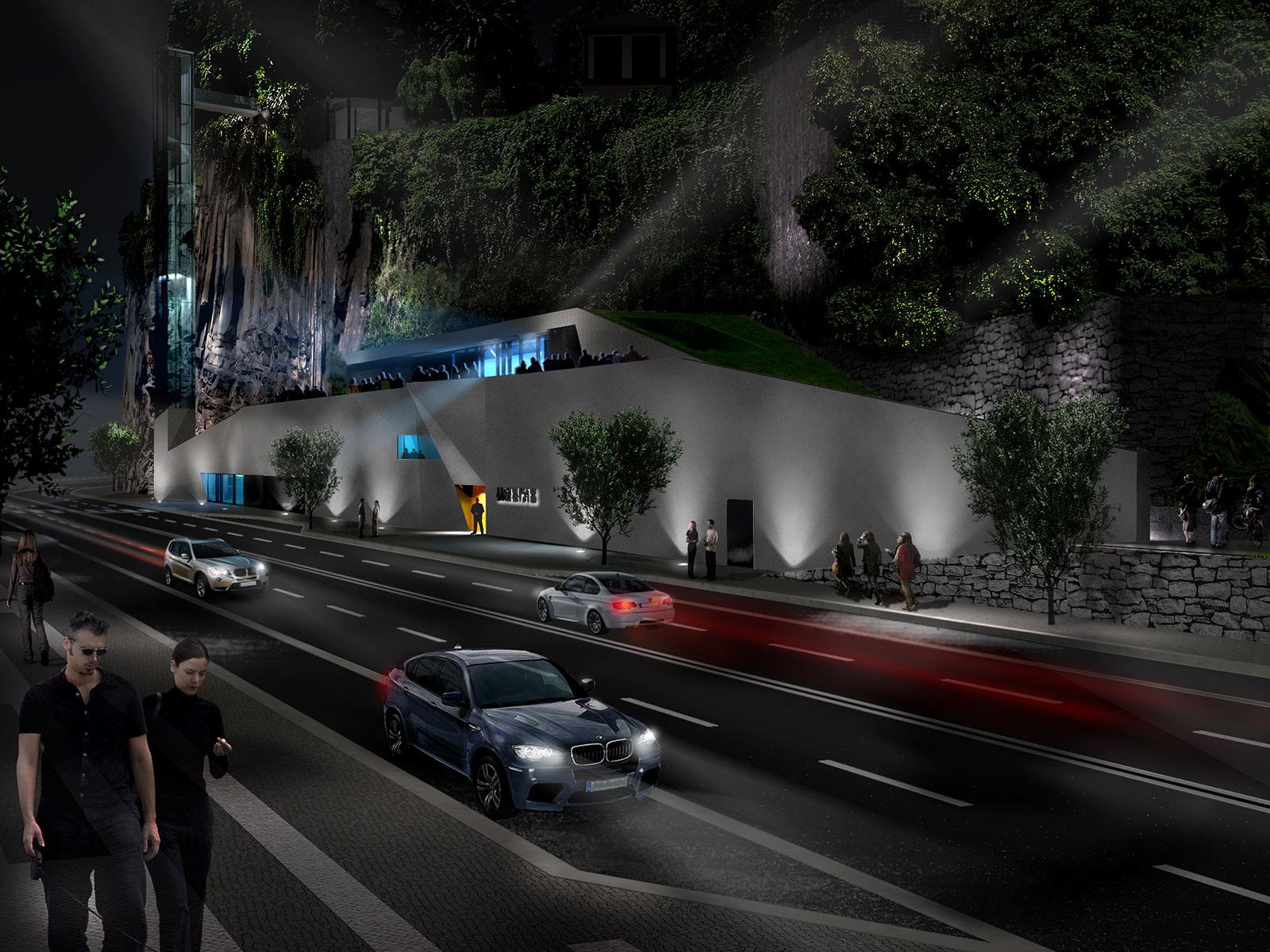
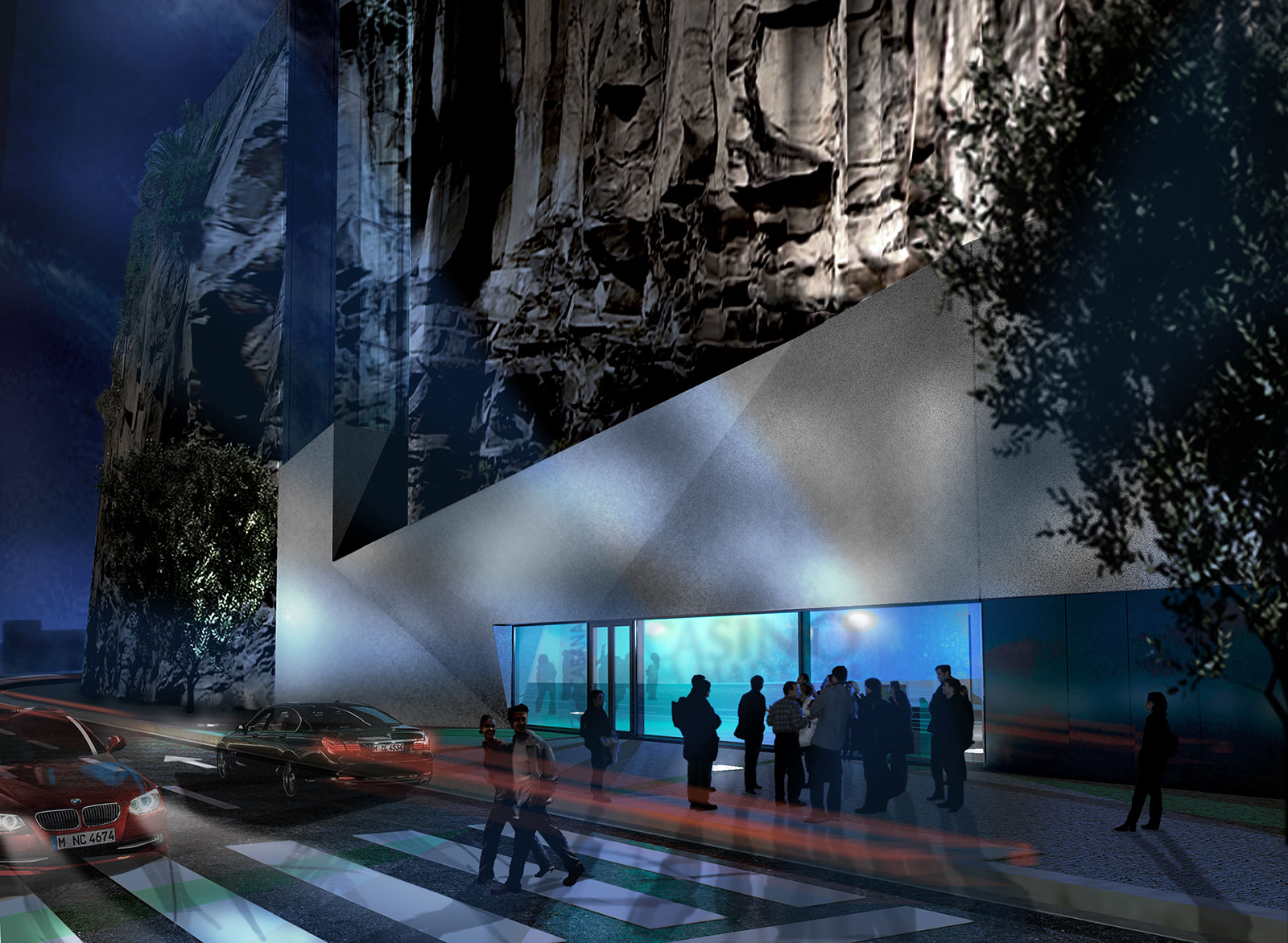
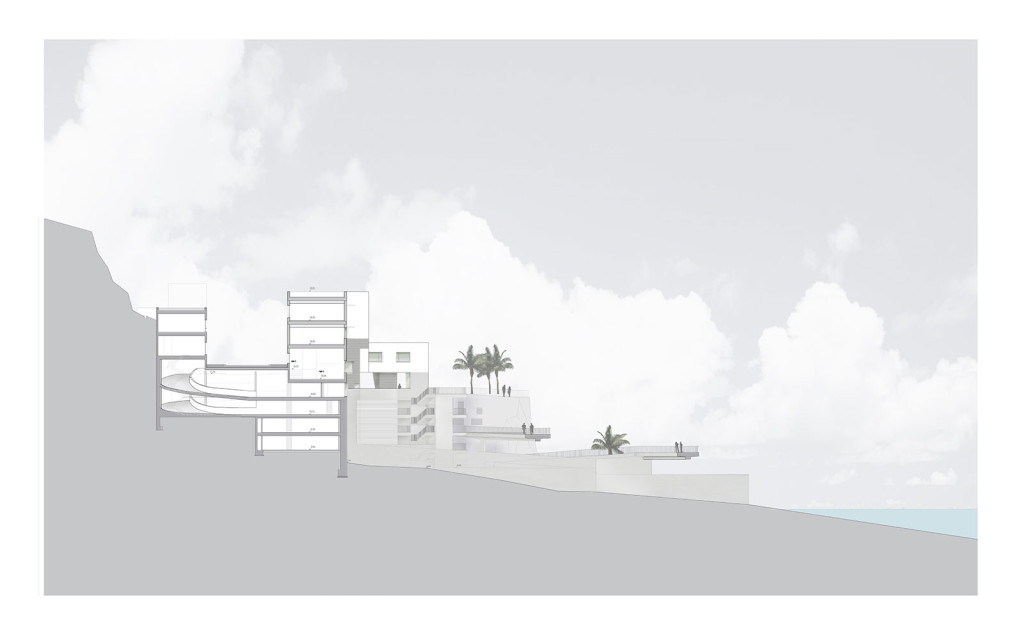
This project is located on the seafront avenue of the bay of Funchal. Its aim was to reconvert the two buildings affected by the street widening operation and to install a lift tower to link the avenue and the cliff top where a casino and a conference centre are located. The existing building’s programme consists of various discotheques, bars and the lift atrium.

The site is a narrow strip of land bordering and limited by the avenue, and by the cliff side; the two buildings fill the space. The rocky cliff and the adjoining areas are part of Santa Catarina Park, Funchal’s largest public garden.

When looking at the park beautiful scenery of gardened terraces, trees and luxuriant plants clothing the basaltic rocks and extending from the top of the hill down to the avenue on the waterfront, it is hard not to notice the awkward setting of the buildings.

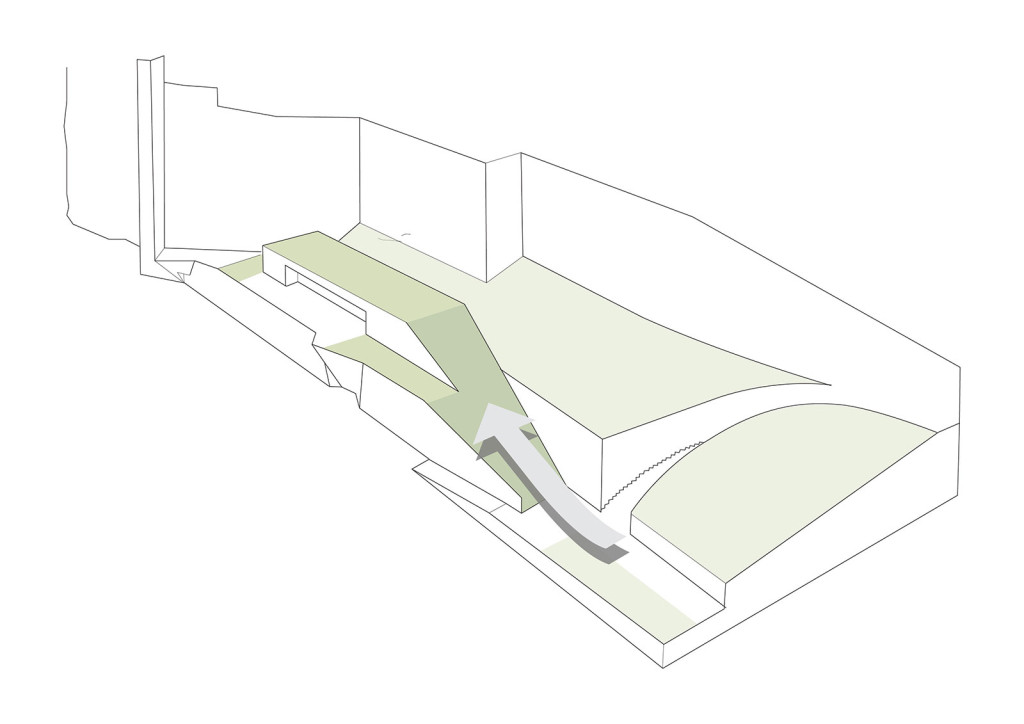
The intent of the project was to extend the park over the buildings and provide a new composition for the whole.

status – not built
location – Funchal Madeira Portugal
year – 2009
architects – Duarte Caldeira, Sergio Gouveia Filipe Clairouin


Museum of Technology and Innovation

The museum will house objects, devices and machines – some of which can be handled by visitors – to engage in or simulate scientific experiences. The goal is to get the public interested in and get involved with the innovative features of the technological world.

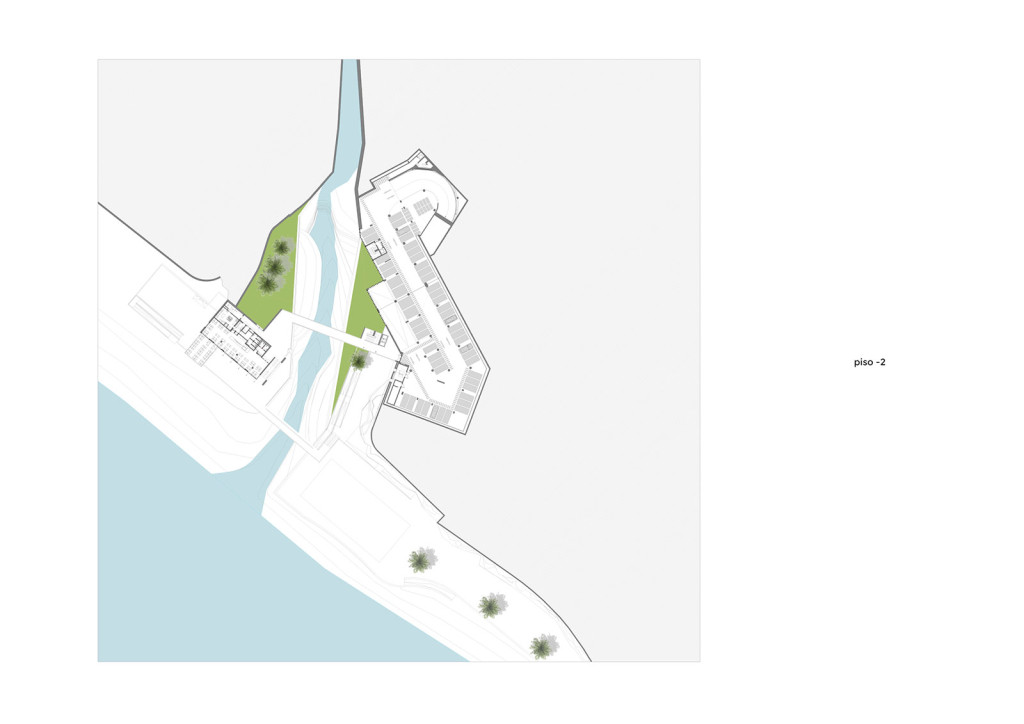
The museum will be part of a campus, one of several educational and sports facilities, in accordance with the master plan of Madeira Tecnopolo, in the city of Funchal. The museum plot is located north of the highway “cota 200” and on the bank of São João River. Comprising an area with approximately 17.000 square metres, it will have two spaces for temporary exhibitions, an auditorium, classrooms, shops, and a cafeteria. It will also have an image museum housing the region’s important photography collection.

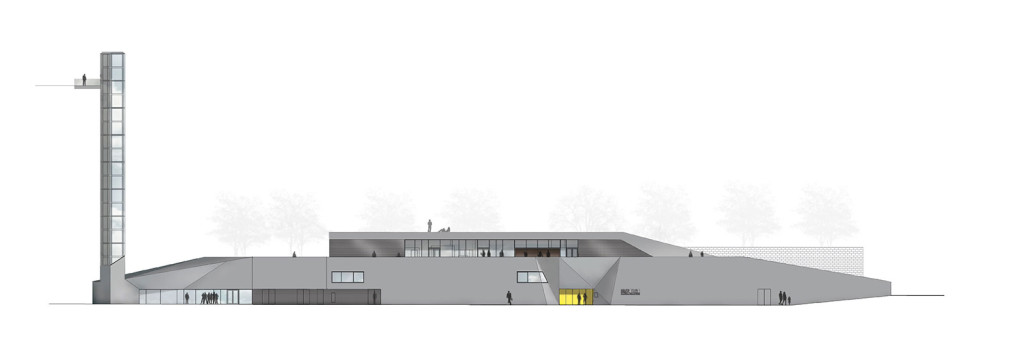
The museum has an elongated and irregular shape. Its central body rests on the ground, leaving the extremities suspended. It is cut lengthwise by a sort of geological fault, corresponding on the inside to a space lit by a skylight around which the vertical circulation takes place.

Looking at a cross section, the building is asymmetrical and irregular, with non-vertical façades, making it look like a dynamic structure. The surfaces have multiple faces and non-orthogonal geometry, but the uniform cladding makes it cohesive and unified.

The volume of the museum lies parallel to the watercourse and it does not match the scale, the alignment or the orientation of the nearby buildings; it is disconnected from the conformities and analogies that bring together the rest of the urban fabric. In the local context it is an autonomous object.

Making its shape and embedding it locally – establishing on-site connections – made use of a process of resonance/dissonance that involves the orography, in which certain dynamic aspects such as movement, balance, variability and irregularity play a part.

status – not built
location – Funchal Madeira Portugal
year – 2006
architects – Duarte Caldeira, Sergio Gouveia Filipe Clairouin Roberto Castro


S. Vicente Healthcare Centre

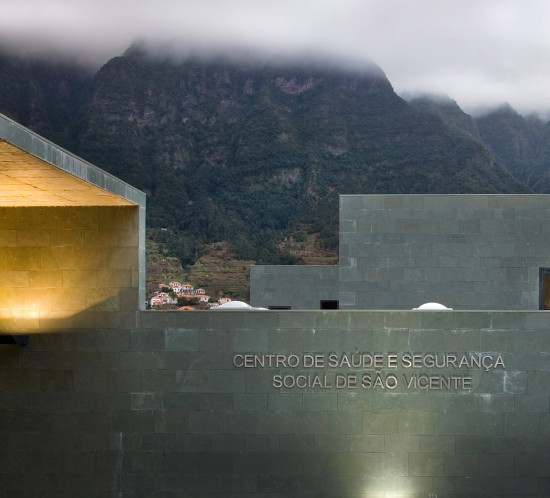
The healthcare centre building has several departments, including inpatient care, A&E, outpatients’ surgery and social services. It functions as a small hospital. It is located in a rural, topographically prominent area, surrounded by an intense mountainous landscape.

The project is set into farmland where, due to the steepness of the slopes, the small plots of land are arranged as terraces. These slopes suggested the design of the building divided into small linked but staggered volumes, with windows opening into the landscape. The composition establishes a number of solids and voids resulting in gardened patios and terraces.

The roofs are lined in aggregates of various tones creating a patchwork similar to the agricultural terraces. The remaining exterior cladding is done in a greyish green stone, which blends with the tone of the surrounding landscape.

status – construído
location – S. Vicente Madeira Portugal
year – 2005
architects – Duarte Caldeira, Rui Vieira, Filipe Araújo,
photography – Carlos Noronha


Santana Theme Park

Madeira Theme Park is an open-air leisure park where historical heritage and cultural assets related to the region of Madeira are displayed in contact with nature. It is mainly a tourist spot.
This is a group of buildings housing various exhibitions and entertainment spaces, located in a countryside setting. The park is visited generally by walking along a set route. There are open-air attractions in landscaped areas or inside pavilions with some additional amenities that include restaurants, shops and other services.
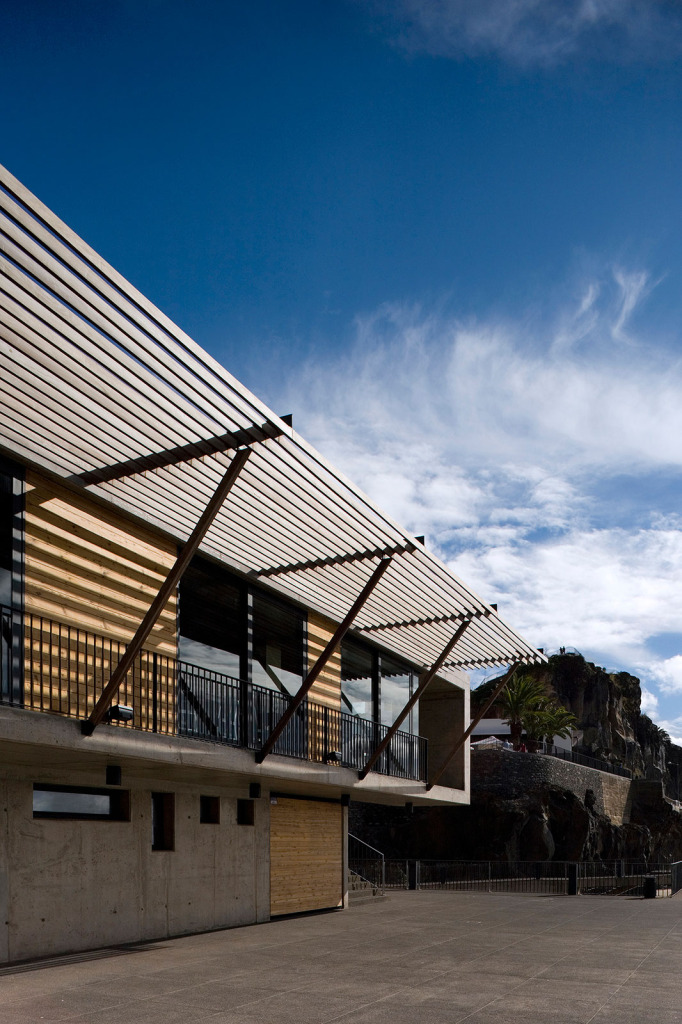
The park is in a small mountain valley where a stream runs through and now feeds into a lake. The area is gardened and planted with trees, surrounded by forest and farmland. The buildings are constructed with fair-faced concrete, cor-ten steel elements and timber lining. The car park building is, like most of the other buildings, set into the hillside.

status – built
location – Santana Madeira Portugal
year – 2004
architects – Duarte Caldeira, Isabel Ferreira Filipe Clairouin
landscaping – Topiaris Luis Ribeiro

photography – Leonardo Finotti

Largo da República in Câmara de Lobos

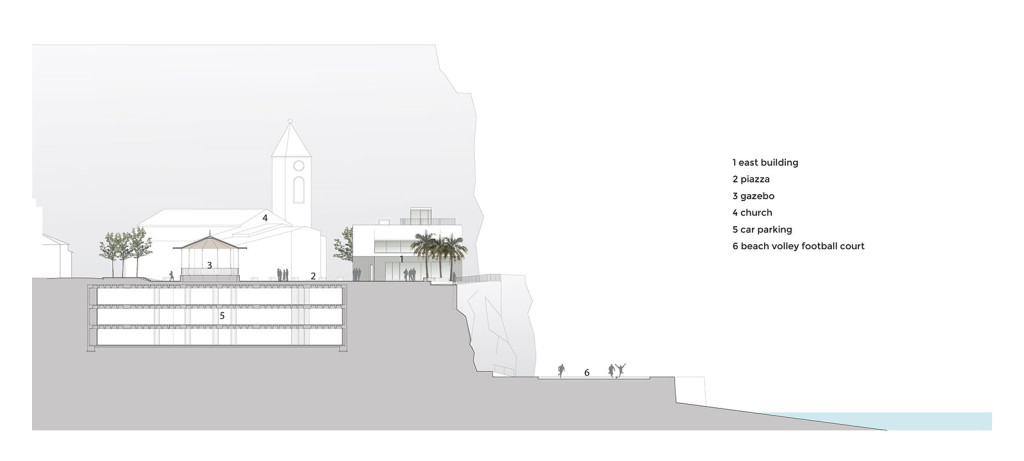
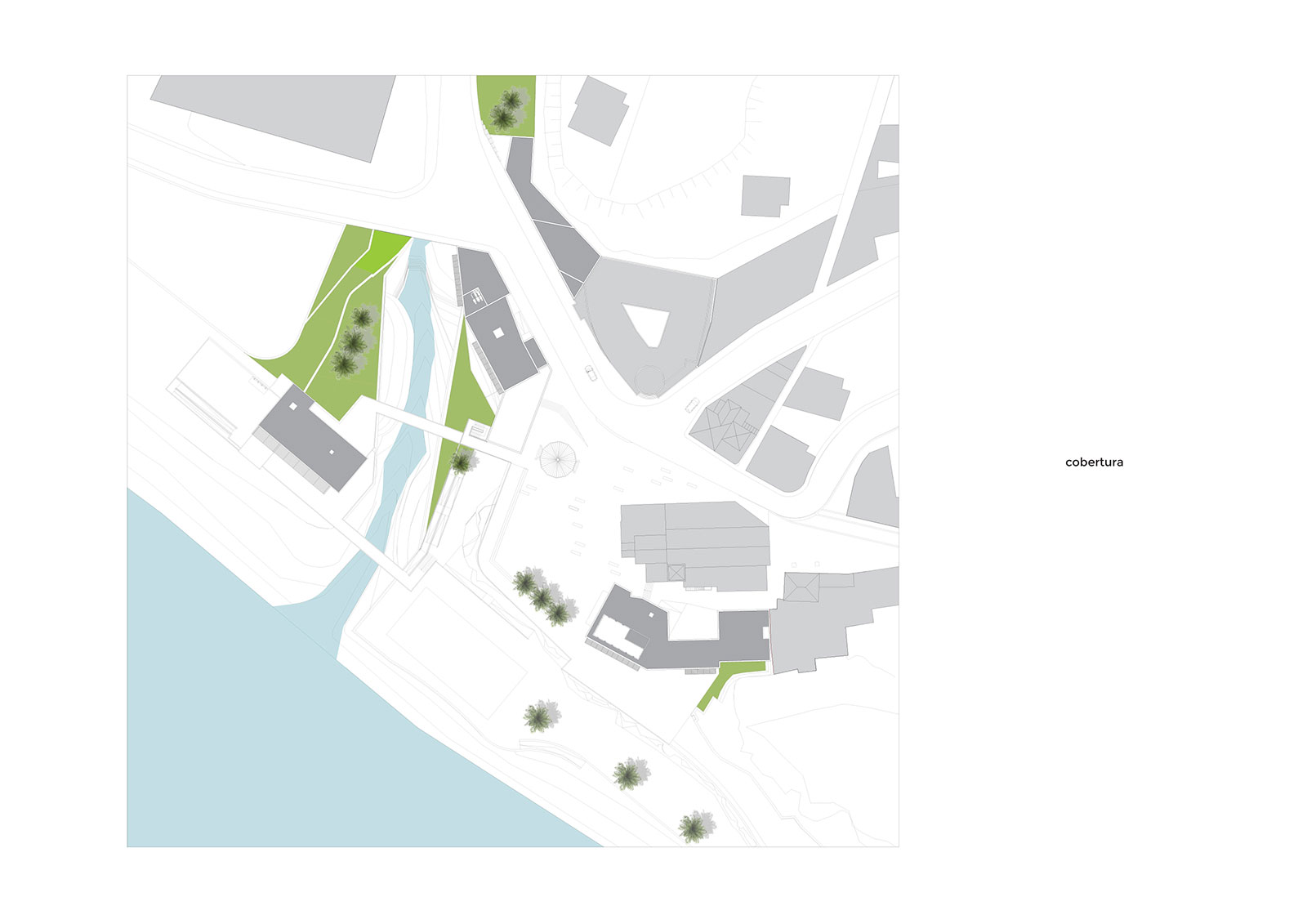
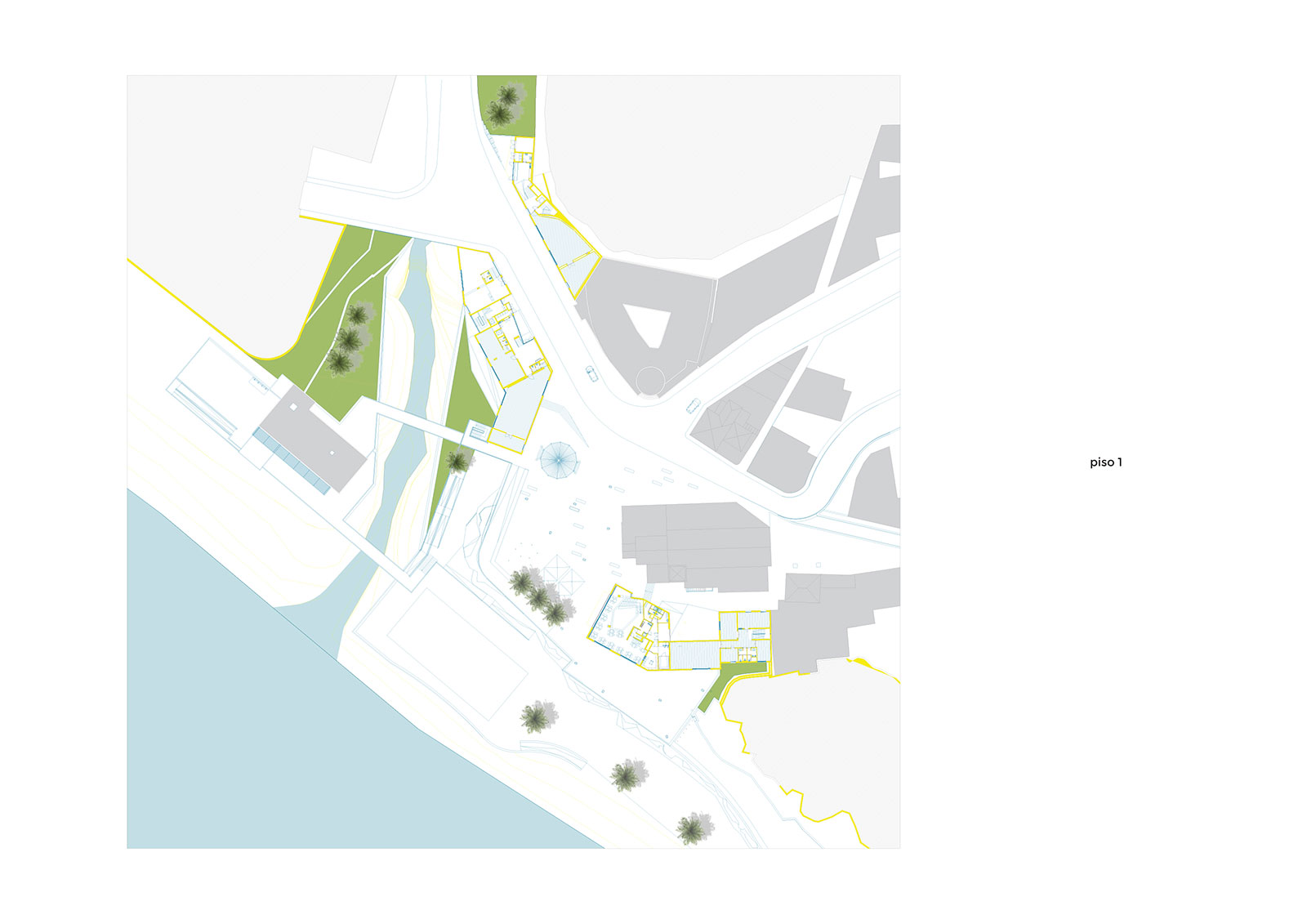
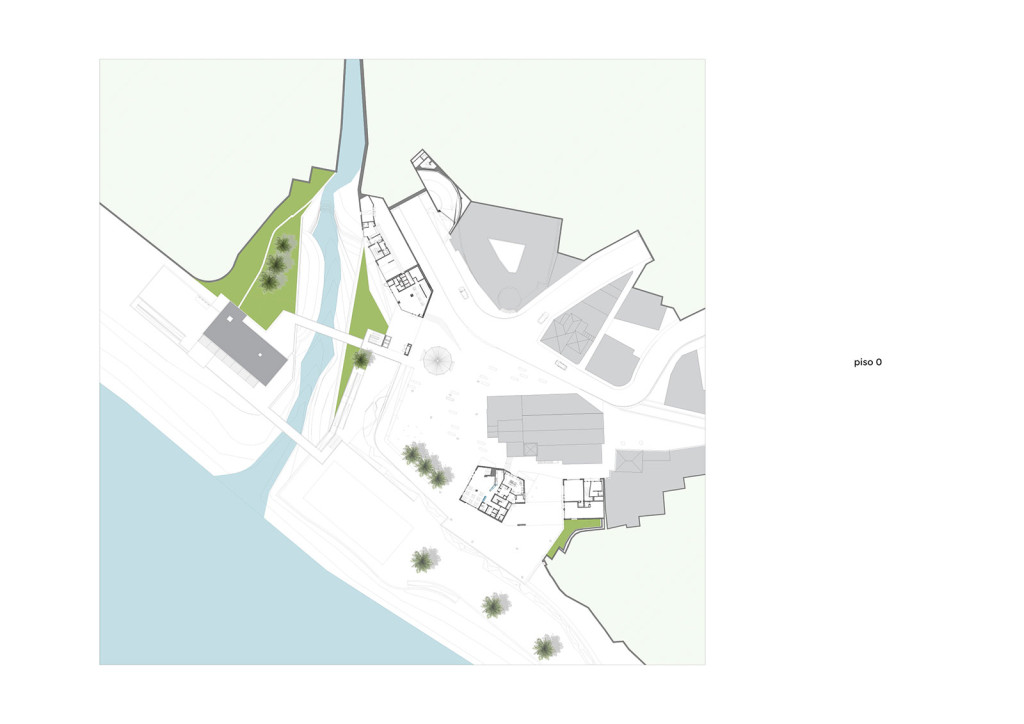
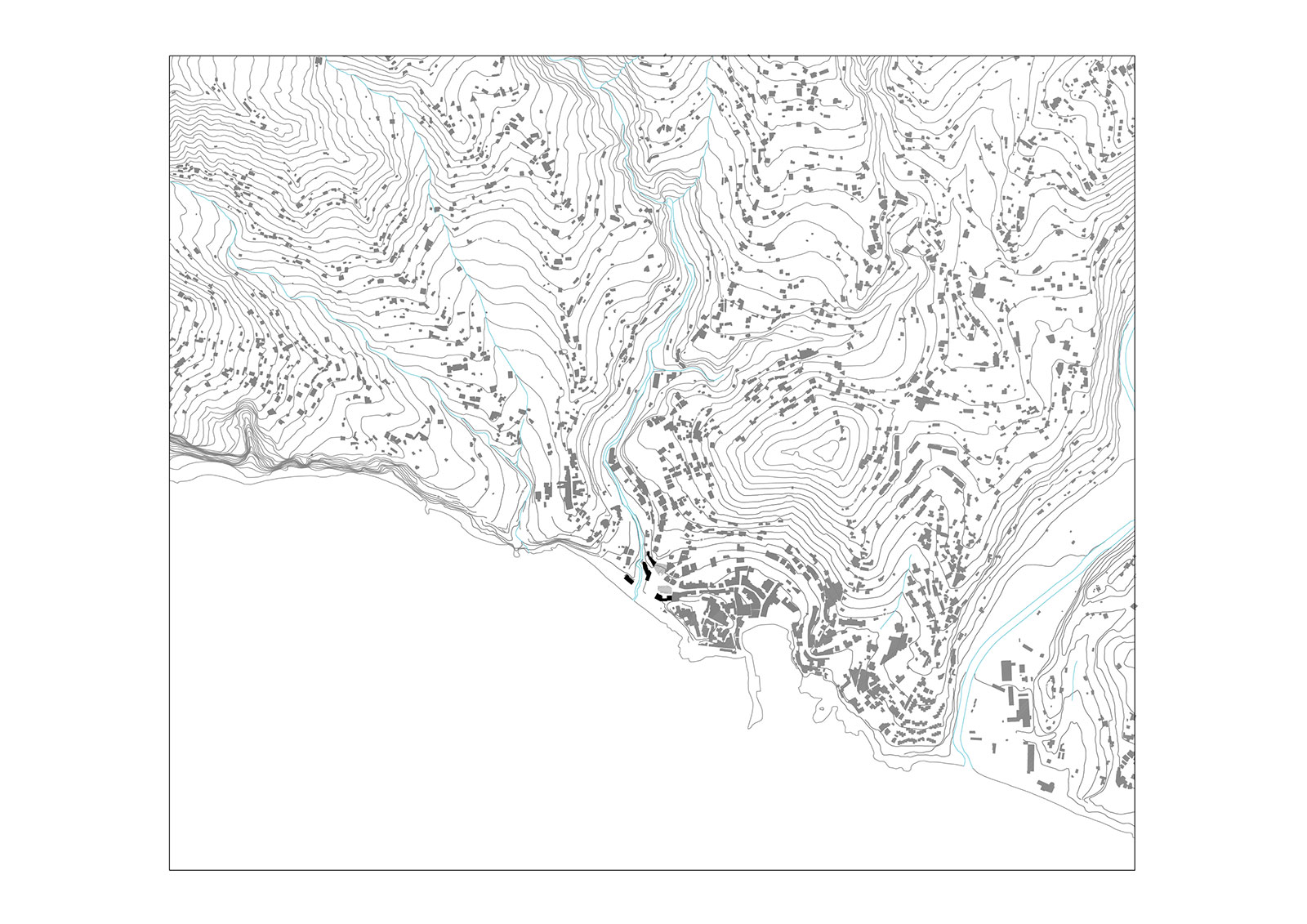
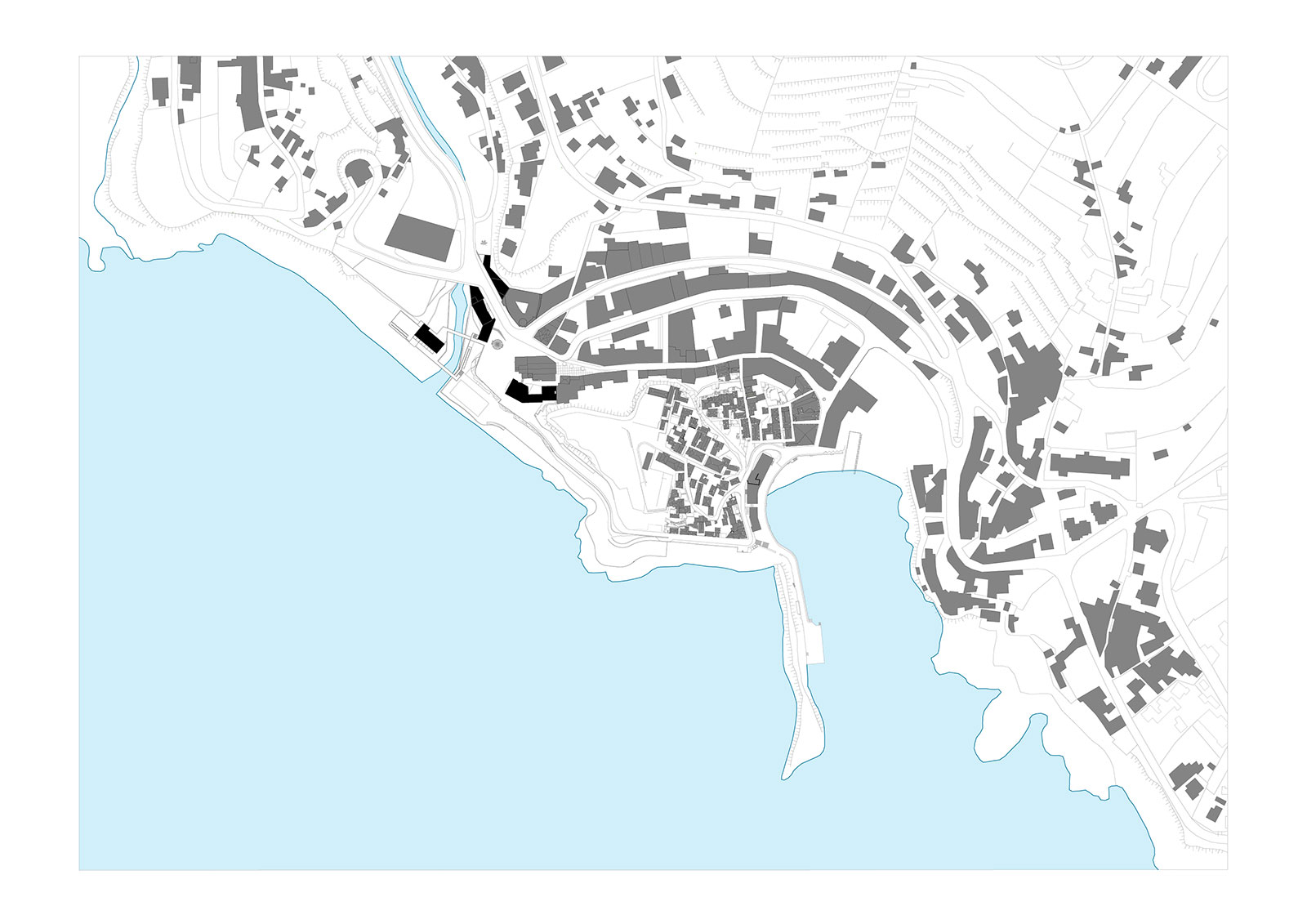
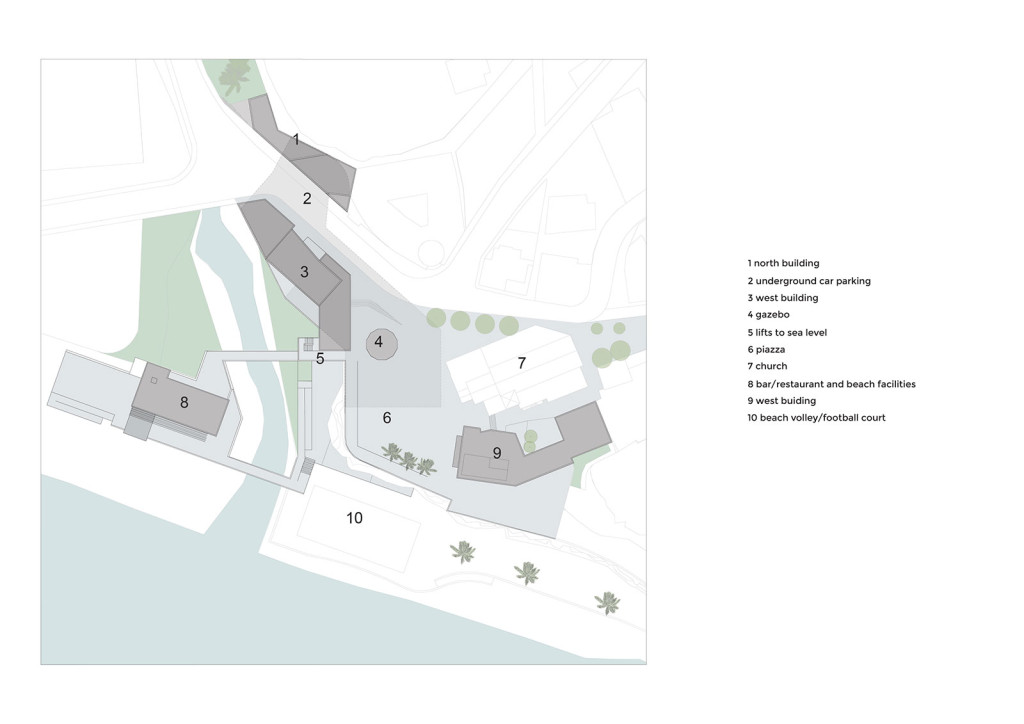
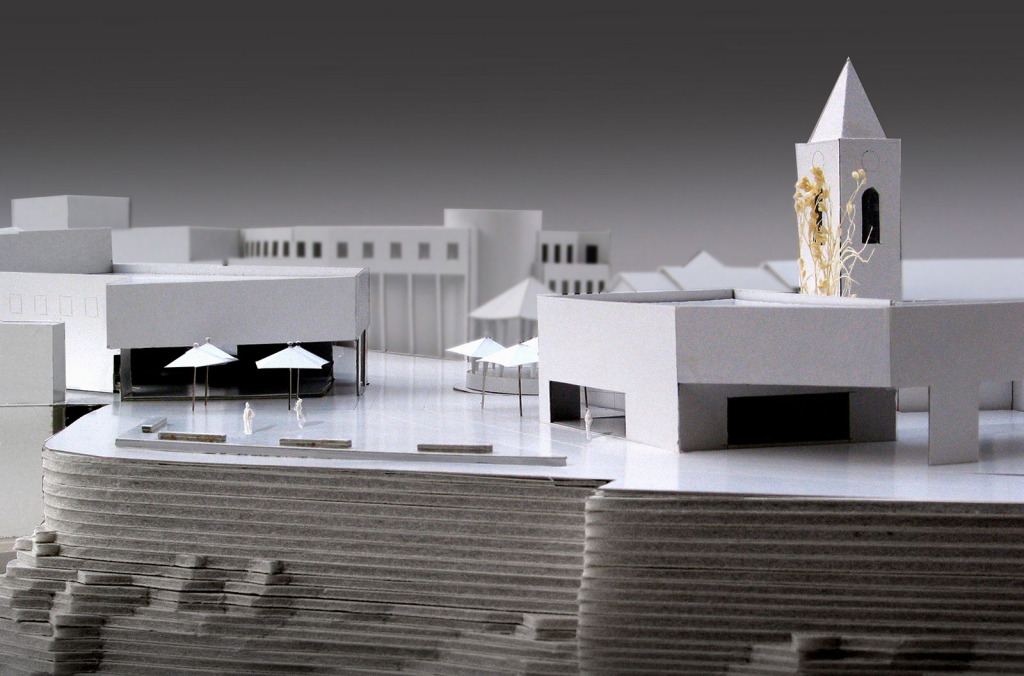
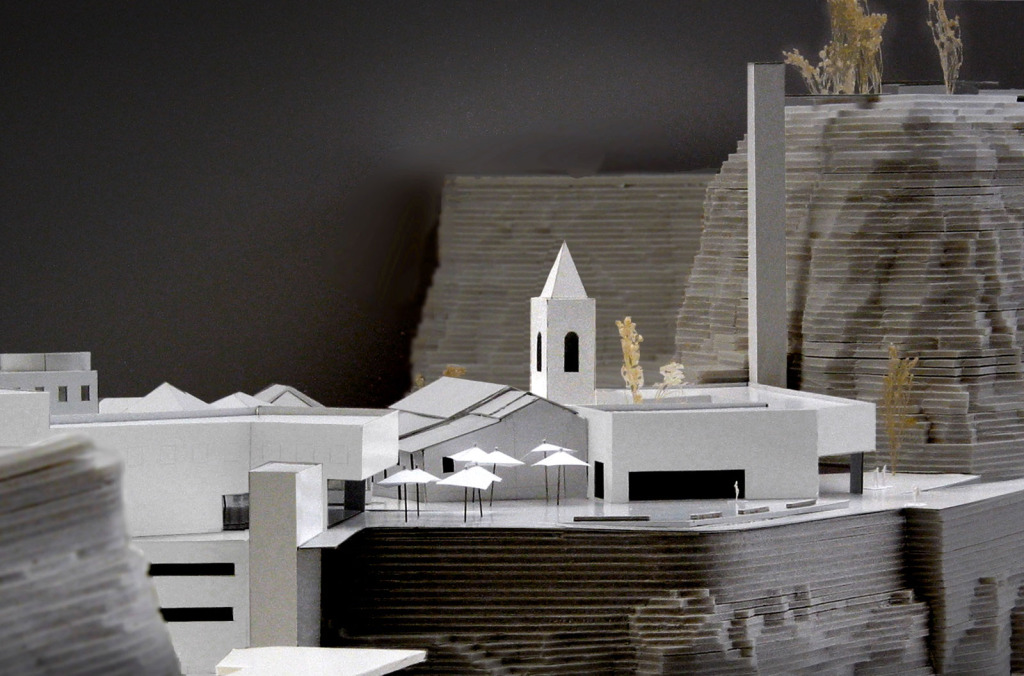
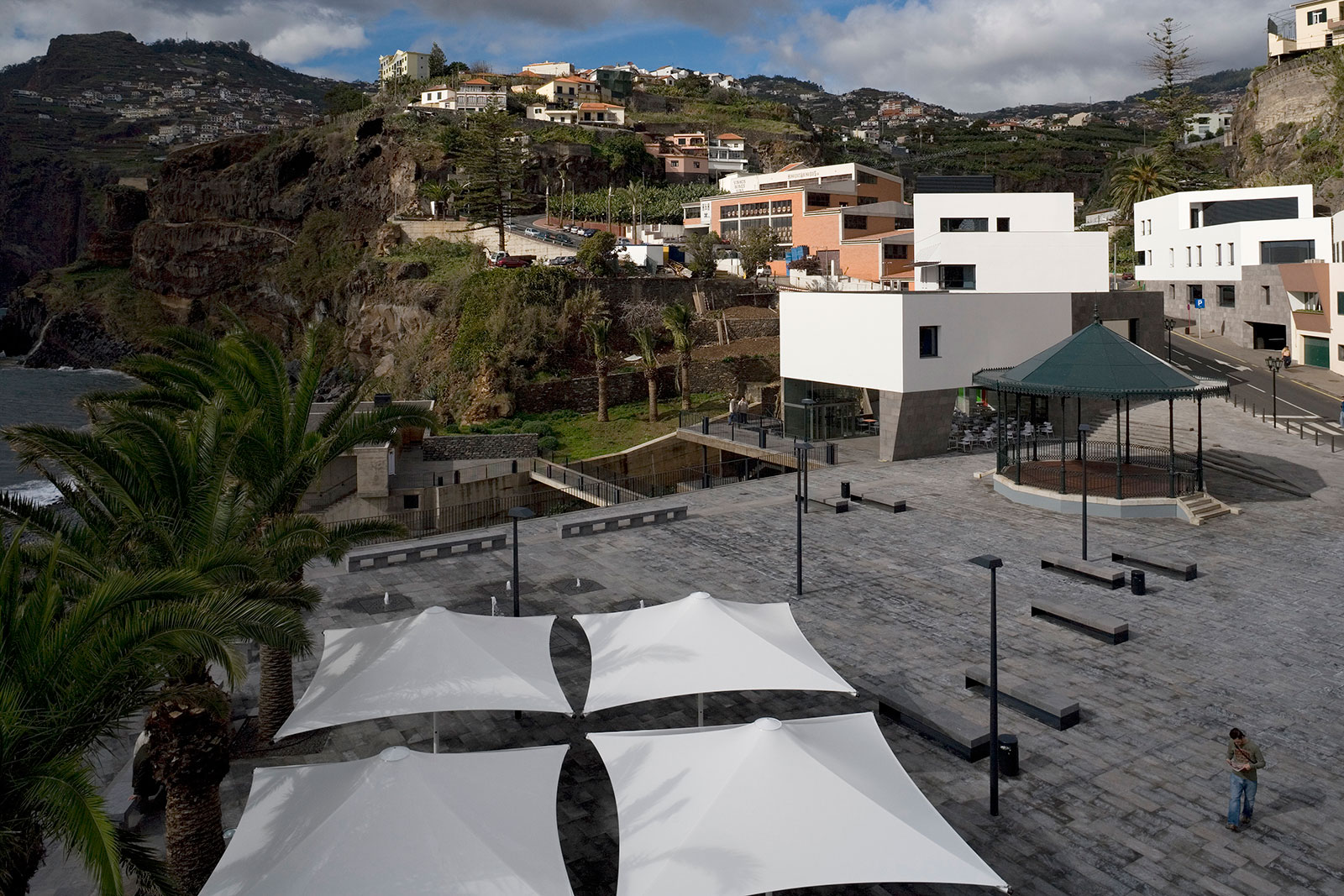
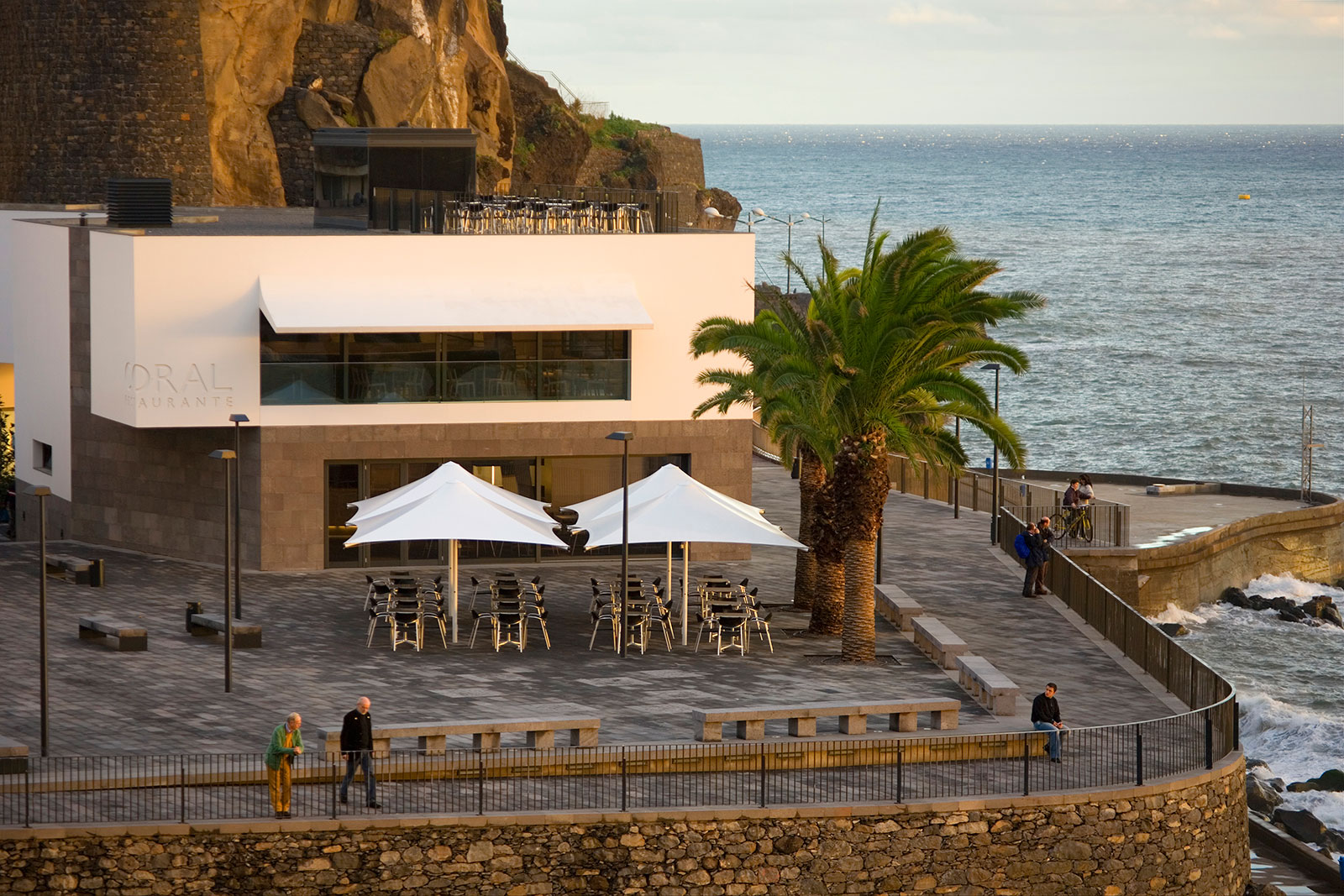
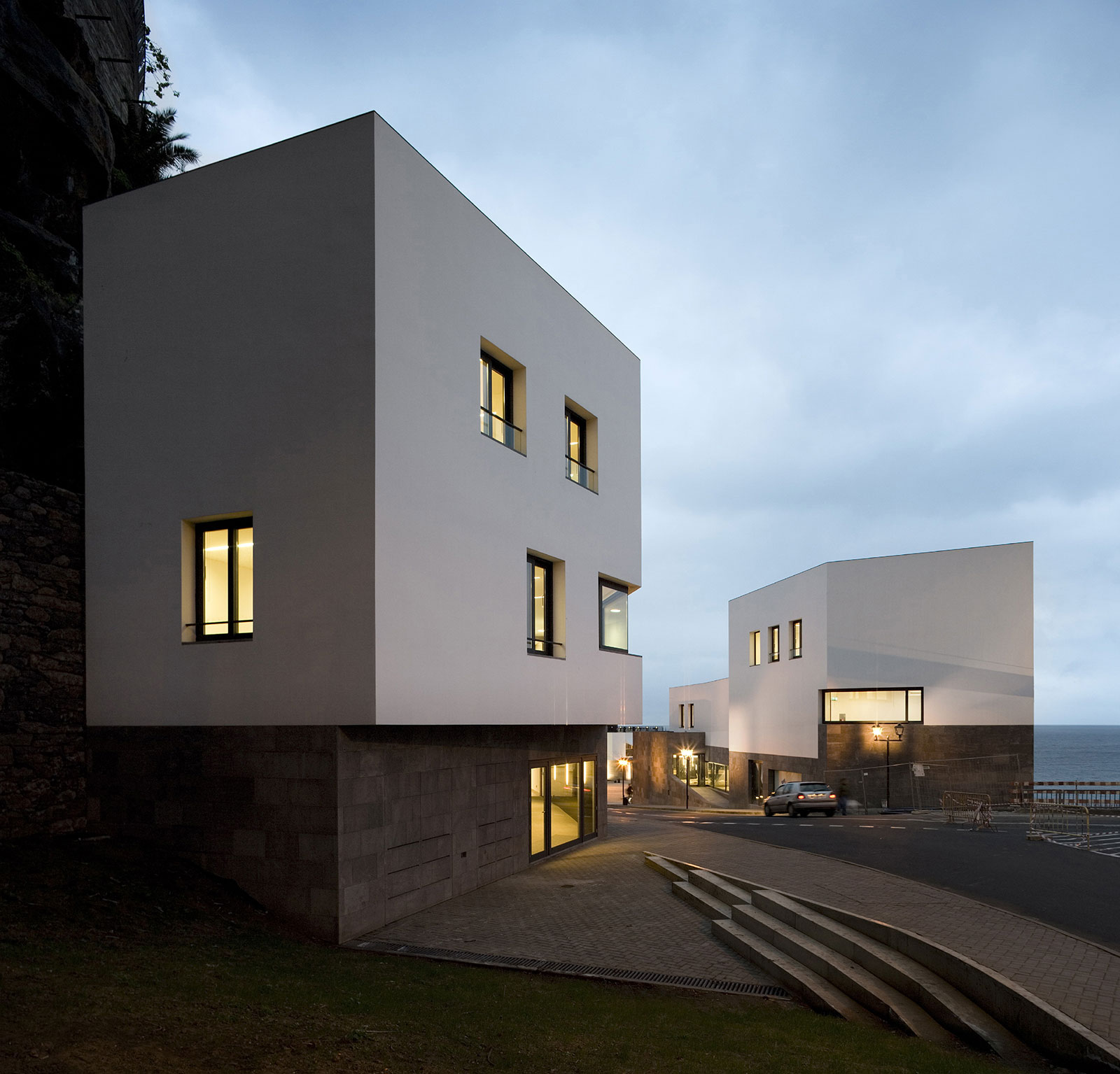
This intervention was done in the old part of Câmara de Lobos, a small fishing town on the south of the island. It is an urban renovation project consisting of four buildings, a square and pedestrian routes towards the seafront. The project began in the square and extended to incorporate several buildings. It was a chaotic clutter of decrepit houses, hard to navigate and beset with parking difficulties.

The proposal also included the parish church and its environs. The buildings were reorganised around a new spacious car-free square, with open views of the horizon and the mountains dropping down to the sea. The new accesses leading to the beach are connected to the existing pedestrian routes, creating new pathways.

The new buildings follow the existing architecture, i.e. similar volumes, urban organisation, colours and materials. What differs is the formal language of the buildings and the way the public space is addressed, which is neither mimetic nor nostalgic.

status – built
location – Câmara de Lobos Madeira Portugal
year – 2007
architects – Duarte Caldeira, Sergio Gouveia, Isabel Dória, Isabel Ferreira, Filipe Araújo, Filipe Clairouin, Hugo Jesus, Roberto Castro
photography – Fernando Guerra FG+SG


The Registry Office Building in S. Vicente

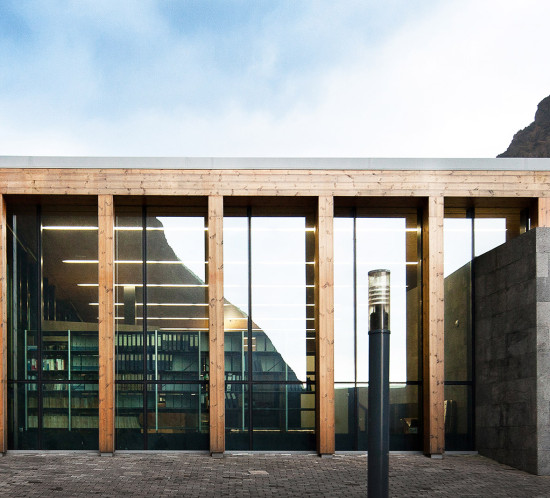
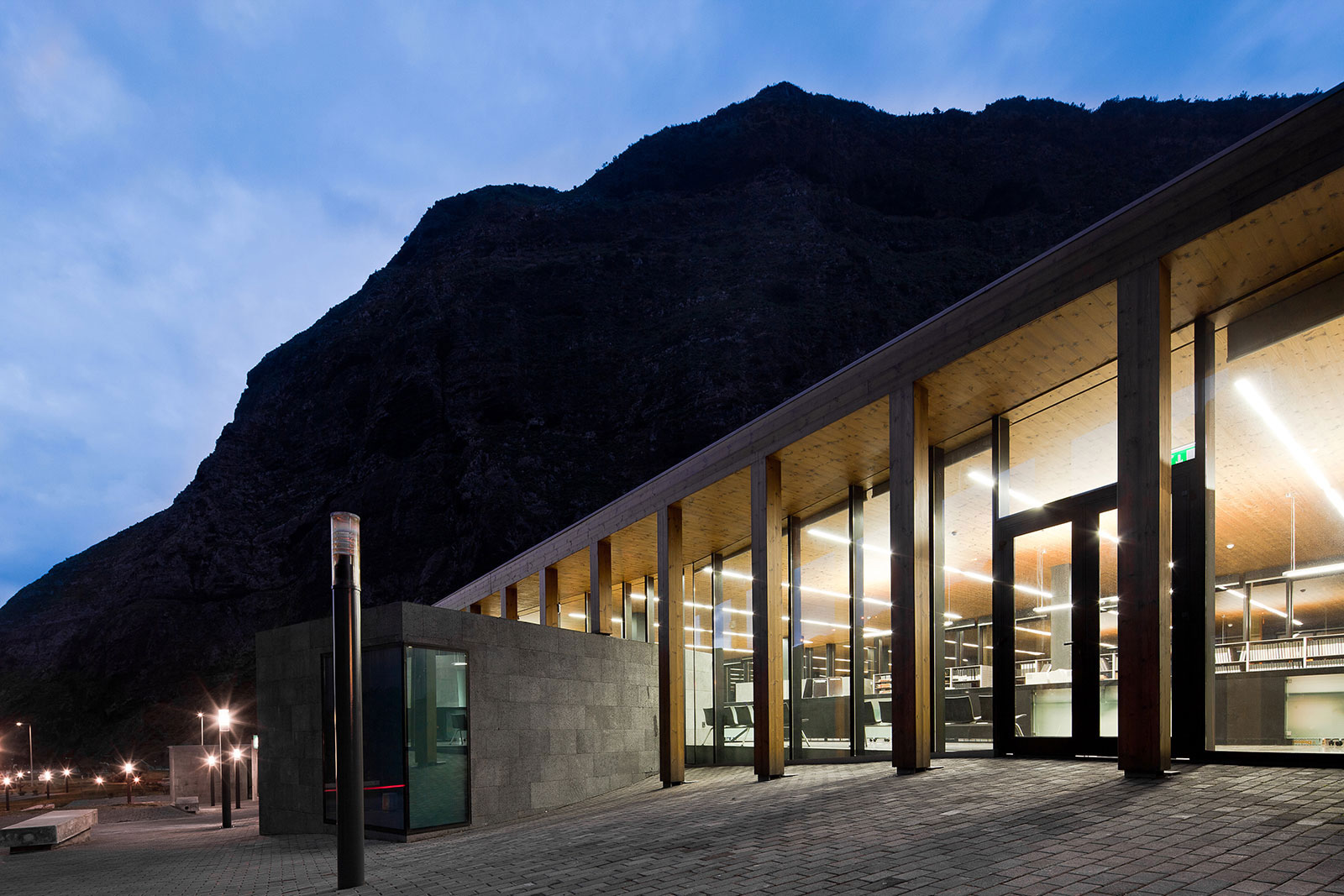
The site of the registry office building in S. Vicente is on the north coast of the island of Madeira, on a deep valley flanked by green slopes, facing the sea. The mountain landscape and the overpowering orography dominate the surroundings. The park sits on one of the banks of the stream that runs through the valley, along a strip of land, which was probably once a riverbed. It is formed by a garden space with an underground car park, with a series of small shops on top. The arbitrary display of shops along the riverbank lends a sense of movement and establishes an analogy with the course of the stream. This idea refers both to the water flowing past and to the transformations it gradually introduces in and leaves imprinted on the site.

The new building is rectangular in shape and larger than the other volumes; it is set out in the location housing other constructions. As they take up the same setting, the old and the new buildings intersect each other and share the same space.

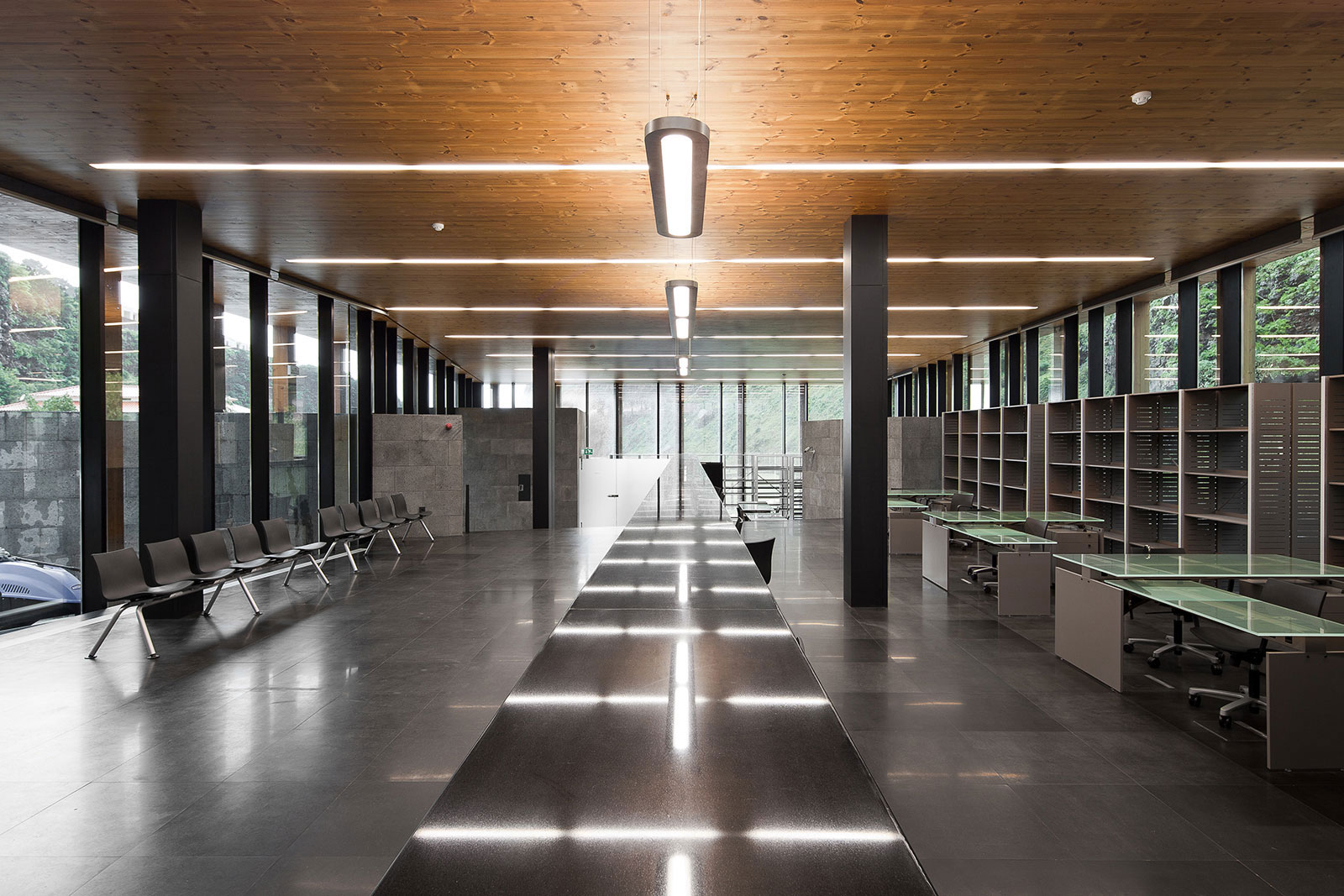
The registry office is single-storey, with a flat roof supported on a row of pillars placed around the perimeter, forming a peristyle. The glazed walls are set back from the aligned pillars and form one single inner space. Solid stone-lined volumes that penetrate the building’s boundaries break the transparency and lightness of the façades.

status – built
location – S. Vicente Madeira Portugal
year – 2011
architects – Duarte Caldeira, Filipe Clairouin Roberto Castro
photography – João Morgado